Healthcare Worker Mental Health: 2026 Support Strategies
Discover comprehensive strategies to support healthcare worker mental health. Find burnout tools, resources & screening to boost well-being in 2026.
Burnout among U.S. health workers jumped from 32% in 2018 to 46% in 2022 in CDC surveillance, and the share reporting burnout very often rose from 11.6% to 19.0% over the same stretch. That isn't a soft signal, it's a workplace problem showing up in real clinicians, on real shifts, with real consequences for judgment, empathy, and retention. The physician who is charting at midnight after a full clinic day, the NP covering inboxes between visits, the PA adding one more note before driving home, the psychologist carrying too many high-acuity stories, and the pharmacist absorbing constant interruptions all know the pattern. The issue isn't a lack of grit. It's a system that keeps asking for more while giving less recovery time.
Introduction to Healthcare Worker Mental Health Challenges
Burnout and broader healthcare worker mental health strain do not appear all at once. They build through sleep loss, schedule chaos, moral distress, staffing gaps, and the habit of treating “rough weeks” as normal until they become the baseline. CDC surveillance connects worsening workplace conditions with worsening mental health, which is the right place to start because the problem is structural before it is personal.
For clinicians weighing jobs, pay, and work-life balance, that point matters. A role with predictable hours can protect attention, sleep, and patience with patients. A role with a poor culture can undo the effort you put into recovery at home.
The question is not whether clinicians should be tougher. The question is which work structures make it possible to stay well and practice well.
Practical rule: if a job repeatedly steals sleep, privacy, or predictability, treat that as a mental health risk, not just an inconvenience.
The response has to combine individual support, better screening, and workplace design that removes predictable triggers. That means confidential care, flexible access, trust in management, and job searches that screen for no call, no weekends, and a workload that matches the role on paper. It also means using tools that evaluate roles through a burnout lens, not only a salary lens, because pay alone does not tell you whether a job is sustainable. Resources such as WeekdayDoc's burnout-friendly job metrics can help clinicians compare positions with actual recovery time in mind.
Prevalence and Risk Factors
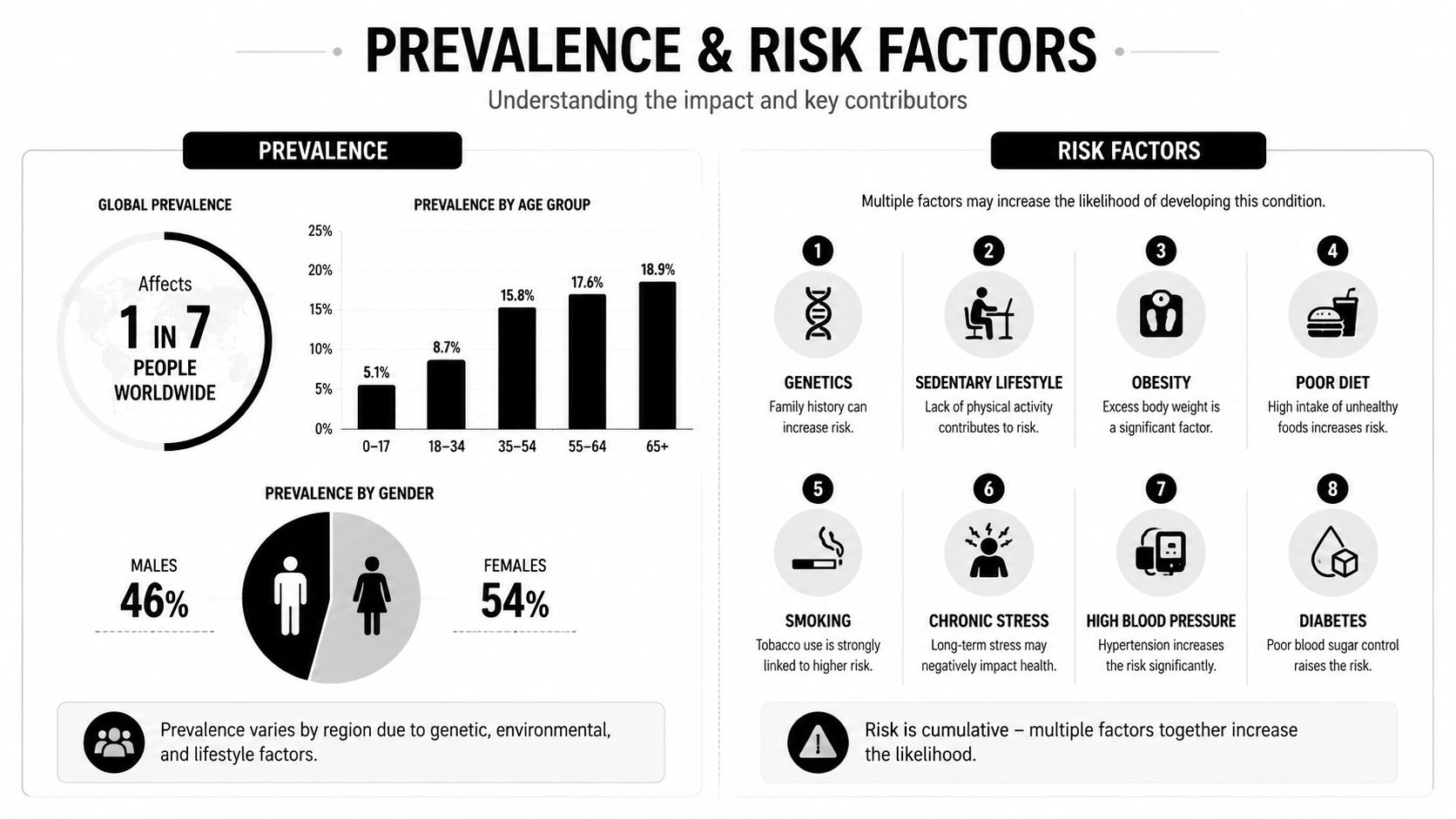
CDC surveillance shows the scale of clinician distress is already high and still moving in the wrong direction. In 2022, 46% of health workers said they felt burned out often or very often, up from 32% in 2018, and average poor mental health days rose from 3.3 to 4.5 days per month over the same period. The CDC also reported that workplace harassment more than doubled, from 6% to 13%, which helps explain why mental health worsened as job strain increased. CDC vital signs on healthcare worker mental health
WeekdayDoc's burnout-friendly job metrics can help clinicians compare roles with recovery time in mind, not just salary on paper.
What the numbers say about the profession
The burden reaches beyond burnout. In a CDC survey of 2,603 U.S. providers, 25.6% met criteria for a mental disorder, yet only 20.3% had sought mental health care in the prior year. The CDC also found that 45.4% said they did not need care, which points to under-recognition and a clinical culture that often normalizes distress until it becomes harder to ignore. CDC MMWR on provider mental health care seeking
Global findings are consistent with that pattern. A meta-analysis of 65 studies and 97,333 healthcare workers across 21 countries found pooled pandemic-period prevalence of 21.7% depression, 22.1% anxiety, and 21.5% PTSD. That consistency matters because it shows the problem is not confined to one payment model or one health system, it appears wherever frontline care meets sustained strain. PLOS One meta-analysis of healthcare worker mental health
Which work factors make it worse
The drivers are practical and predictable. Long shifts, frequent call, unpredictable weekends, staffing shortages, and administrative overload all reduce recovery time and raise emotional load. CDC surveillance has also linked better working conditions, including trust in management and supervisor help, with lower odds of poor mental health and burnout, which makes the point clear, the problem is shaped by the workplace as much as by the individual. CDC surveillance on working conditions and burnout
That is why job evaluation needs to include schedule structure, handoff quality, inbox burden, and whether a role protects time off. Weekday-only roles, telehealth-heavy jobs, and positions without call can have a very different mental health impact than equally titled roles with constant after-hours demands. If you are comparing offers, start with the work pattern, then look at compensation.
Identifying Signs and Screening Approaches
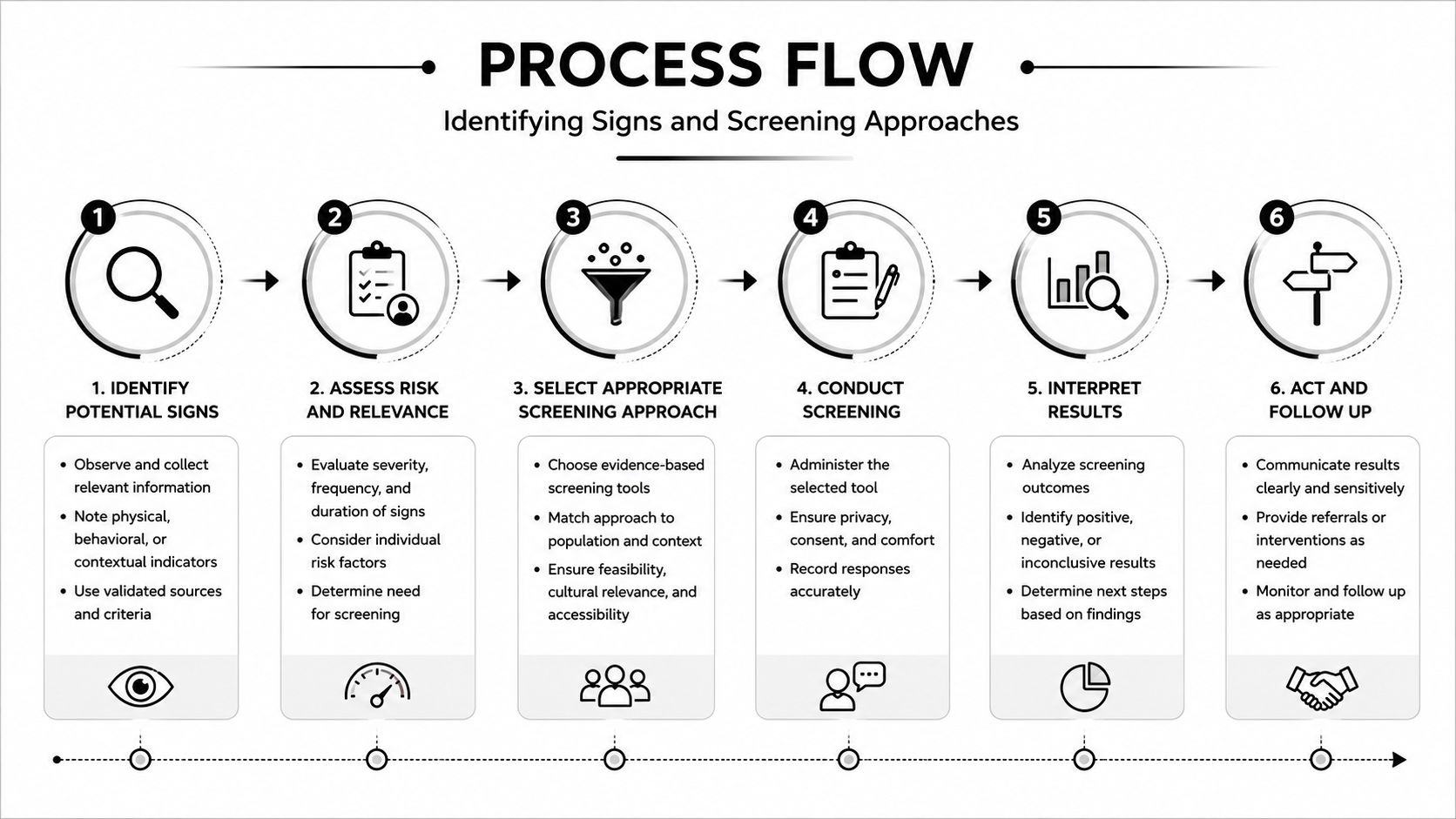
The earliest warning signs are usually functional. A clinician may sleep poorly, recover slowly after shifts, start snapping at home, or make small but unusual mistakes because attention is fragmented. Mood changes, cynicism, irritability, headaches, and impaired concentration should be treated as early signals, not as problems to revisit after a formal leave discussion.
Use simple tools before the situation becomes severe
Validated screening should be routine, not something reserved for a crisis. The PHQ-9 is useful for depressive symptoms, the GAD-7 for anxiety, and the Maslach Burnout Inventory for burnout patterns that may not fit neatly into a single diagnosis. Used together, they help separate ordinary fatigue from a clinical problem that needs attention.
A workable process starts with function, not labels. Missed documentation, trouble focusing, or persistent dread before work are early flags. Short self-checks are easier to use than long annual wellness surveys. A validated screener adds structure, and comparing results over time helps distinguish one rough week from a trend. If sleep is impaired, panic is showing up, or errors are becoming more frequent, the next step should be support, not silence.
A short, honest check-in after a hard stretch catches more problems than a perfect assessment done once a year.
Build screening into normal workflow
The best screening systems do not depend on a special event. A quick check during huddle, a private telehealth break, or a peer question at shift change can open the door without making the conversation feel punitive. The goal is to make mental health screening feel as routine as asking about pain or fatigue.
The response should be just as practical. Screening works only if there is a clear path from concern to care, and if staff know where to turn before symptoms harden into absenteeism, conflict, or unsafe distraction. WeekdayDoc's stress management resources for healthcare workers fit that need because they give clinicians a direct place to start when they notice early strain.
The point of screening is not labeling. It is giving clinicians a fast, nonjudgmental route to help before the problem starts affecting work, home life, or patient safety.
Evidence-Based Individual Strategies
Sleep is usually the first thing to collapse and the last thing people treat seriously. That's a mistake, because the CDC has shown that 41% of health care workers reported insufficient sleep and 19% had diagnosed depression, both higher than non-health-care workers. CDC NIOSH bulletin on pre-pandemic mental health
Start with habits that fit real clinical schedules
The goal isn't a perfect wellness routine. It's a set of reliable anchors that survive call, late charts, and family demands.
- Protect sleep windows: choose one nonnegotiable block of time and defend it like a patient appointment.
- Use short downshifts: two to five minutes of breathing, stretching, or silence can reset your nervous system between encounters.
- Move in small doses: if a full workout is unrealistic, treat walking between buildings, stairs, or a brief after-shift routine as legitimate exercise.
- Reduce late-night stimulation: avoid turning bedtime into a second inbox review.
These are small interventions, but they're useful because they're realistic. A plan that depends on perfect conditions won't survive a week on a busy service.
Use treatment like a clinician, not like a moral test
Cognitive behavioral therapy can help with anxious looping, insomnia, and cognitive overload. Medication may be appropriate when symptoms are persistent, impairing, or part of a broader depressive or anxiety disorder. Digital mental health platforms and telehealth visits are practical when time and confidentiality matter, especially for clinicians who can't reliably leave work during business hours.
Practical rule: if scheduling is the barrier, shorten the session, move it to telehealth, or split the problem into smaller visits instead of postponing care.
Confidentiality concerns are real, so ask how records are handled, whether your employer can access any information, and whether your health plan offers an out-of-network option. If you're using insurance, check benefits first, then decide whether a telehealth clinician, local therapist, or psychiatrist is the least disruptive fit.
The best evidence-based strategy is the one you'll repeat. That's why a brief, sustainable plan beats an ambitious one you abandon after two weeks. For a practical stress-management framework relevant to clinical life, see stress management for healthcare workers.
Organizational and Policy Interventions
Individual coping helps, but it does not repair unsafe staffing, unstable schedules, or a culture that treats rest like weakness. Positive working conditions, including trust in management and supervisor help, are linked with lower odds of poor mental health and burnout, so leadership behavior is part of the clinical environment, not a side issue.
Design the job so burnout is harder to trigger
The most useful interventions are concrete. Predictable schedules lower the mental load of constant planning, required rest periods protect recovery, and staffing models that fit demand reduce the sense that every shift becomes a rescue operation. Psychological safety training also matters, but only if it changes how supervisors respond to mistakes, fatigue, and requests for help.
Medical groups and hospitals should track whether people can take time off without retaliation, whether handoffs are clean, and whether after-hours work is drifting into “normal” expectations. If those answers are unclear, the organization is pushing risk downward onto individuals.
A useful internal metric set includes:
- Turnover and vacancy pressure, because instability often tracks with chronic strain.
- Use of peer support and counseling resources, because low use can point to stigma or access problems.
- Schedule predictability, because volatility makes recovery difficult.
- Supervisor responsiveness, because management trust is part of the intervention, not a soft extra.
If the culture rewards endurance but punishes help-seeking, no amount of resilience training will hold the system together.
Policy fixes that matter
The HHS health worker well-being advisory points toward confidential, flexible, telehealth-based mental health care, better network adequacy, and removal of punitive policies. That direction fits the practical barriers clinicians run into, because access breaks down when appointments are hard to schedule, costs are high, and workers fear professional consequences for getting help.
That is a systems problem. Employers need to redesign care access, scheduling, and supervision so support is easy to use and safe to admit. For workers comparing employer policies, the fine print on leave, telebehavioral access, and scheduling flexibility matters. mental health parity laws guidance gives useful context for judging whether the benefits package matches the language around wellness.
If a system wants better outcomes, it has to make the healthy choice the easier choice. That means protected time, clear confidential pathways, and managers trained to treat fatigue and stress as operational risks instead of personal failures. For clinicians who want a practical starting point outside their organization, resources for community connection and healing can help when local support is thin or inconsistent.
Reducing Stigma and Building Peer Support
Help-seeking rises when the workplace treats distress as a normal clinical risk, not a personal flaw. The old message that clinicians should be tougher misses the primary barrier. Stigma grows when schedules are rigid, care is hard to access, and people expect punishment for admitting they are struggling.
Make help-seeking normal, not exceptional
Peer support works when clinicians can speak without worrying about exposure. Balint groups, Schwartz rounds, and informal debriefs give teams a place to name moral distress, grief, and cumulative frustration before those reactions turn into withdrawal, irritability, or cynicism. These formats do not replace therapy, but they can reduce isolation and make it more likely that someone asks for help before the strain gets worse.
For clinicians who want support outside their own workplace, resources for community connection and healing can be a practical starting point when local peer support is thin or inconsistent.
Build a peer structure that people use
The strongest grassroots efforts are simple and predictable. A standing monthly debrief, a short post-call check-in, or a rotating peer contact list can do more than a polished wellbeing campaign if people trust the process and can attend without consequences.
Good peer support has three features. It is confidential, it is regular, and it does not require a distressed clinician to prove they are struggling enough to qualify for help. That matters in health care, where many workers still worry that admitting stress will affect evaluations or reputation.
Leaders set the tone by lowering the social cost of speaking first. Colleagues do the same by asking direct questions and listening without trying to fix everything in one conversation. The culture shifts when help becomes ordinary, and when peers respond with steadiness instead of judgment.
Actionable Resources and Next Steps
Start with the basics that move the needle. Screen regularly, use sleep and schedule strategies that fit your life, push employers toward better working conditions, and choose jobs that protect recovery time instead of consuming it. If you're comparing roles, use a burnout lens alongside the usual salary math, because a higher offer can still be the wrong job for your mental health.
For career decisions, review WeekdayDoc's Burnout-Friendly Score, the Salary & FIRE Calculator, the RVU calculator, and the contract scanner alongside role filters and market data. For a broader read on compensation and demand, pair that with guidance on managing work stress when you're deciding whether a role is sustainable, not just attractive on paper.
If you want to translate this into a job search, compare listings in physician jobs, NP jobs, PA jobs, and psychologist jobs, then review the matching market-pulse pages before you sign anything. Use the tools at RVU calculator, contract scanner, and Salary & FIRE Calculator to check whether the work structure matches your life.
WeekdayDoc helps clinicians compare roles through work-life-balance filters, salary context, and burnout-friendly job markers, which makes it easier to spot jobs that fit your mental health needs before you apply. If you're evaluating your next move, visit WeekdayDoc and use the tools to choose a role that protects both your practice and your recovery time.