Remote Respiratory Jobs for RTs: Roles, Pay, and Fit
Explore remote respiratory jobs for RTs, including role types, licensing basics, pay context, and questions to assess schedule fit.
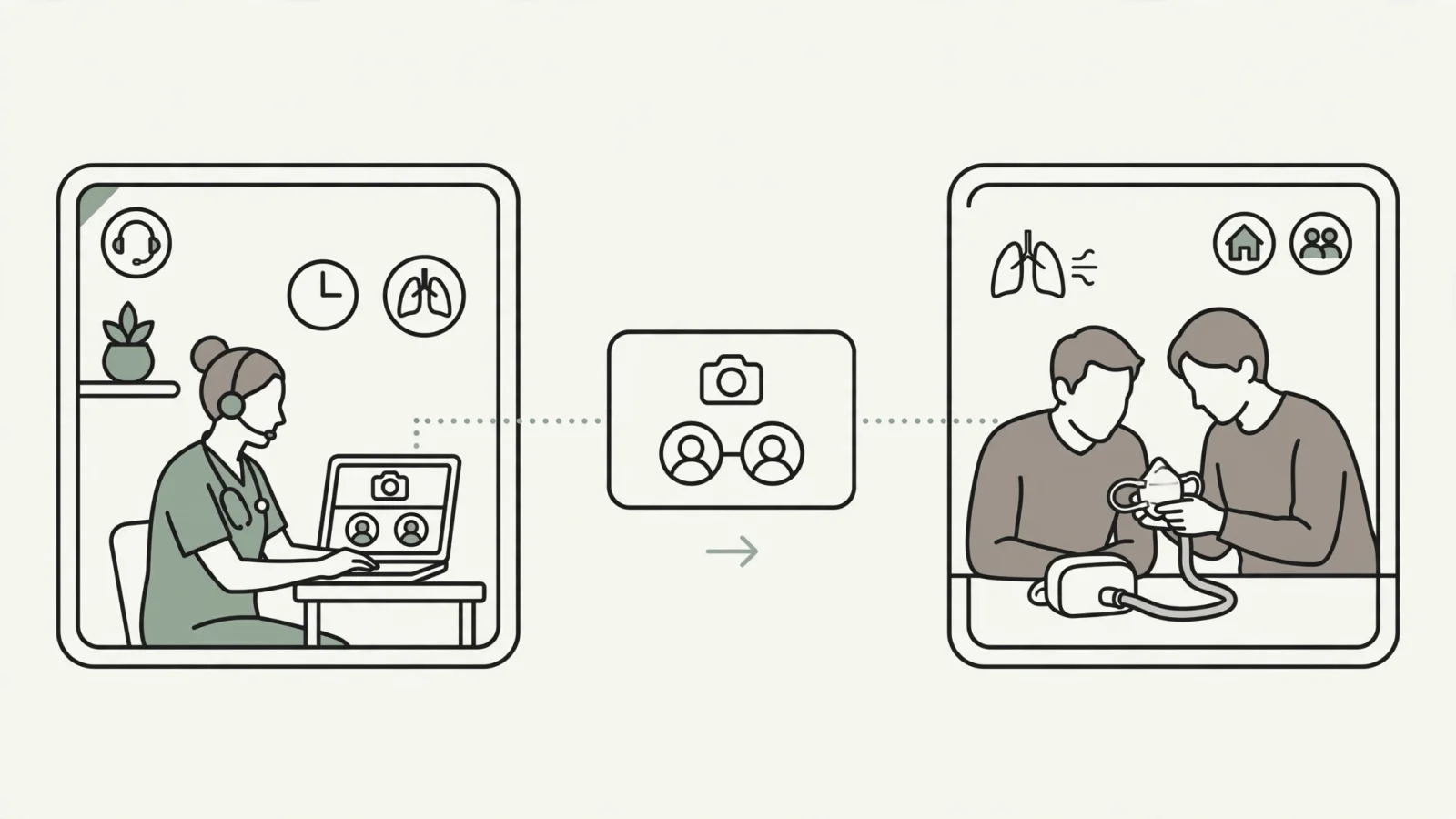
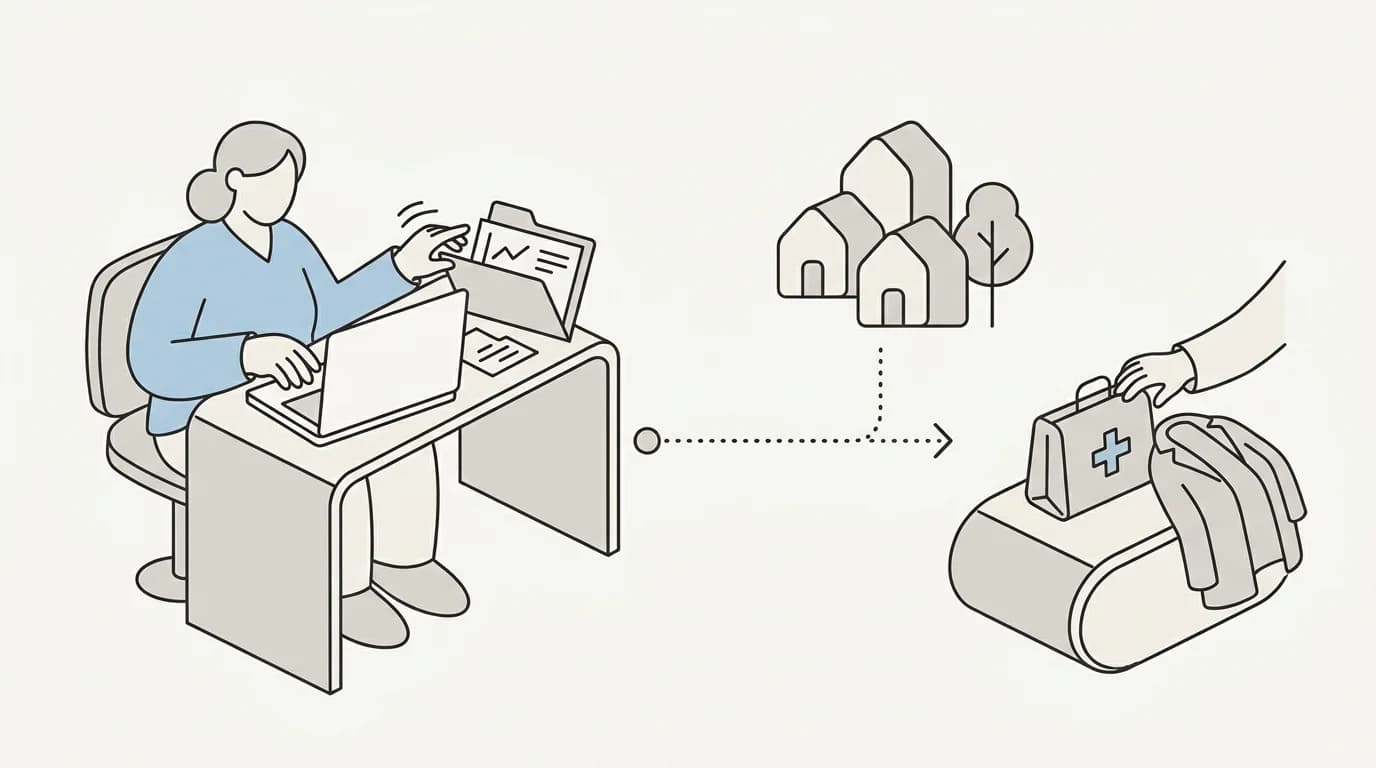
Transitioning from a hospital floor to a home office changes the daily reality of respiratory care. You trade the physical demands of bedside codes and rapid responses for a different set of challenges, often centered around software platforms, phone consultations, and continuous data streams. Finding the right position means looking past the location to understand the schedule, the required state licenses, and the specific clinical duties involved.
Because the title alone reveals very little about the workload, we built WeekdayDoc to help healthcare professionals evaluate the lifestyle and financial trade-offs of a role before applying. A structured comparison of work hours, alert expectations, and compensation models gives you a clearer picture of what the position demands, allowing you to approach the job market with the context needed to find a sustainable schedule.
Defining Remote and Hybrid Respiratory Work
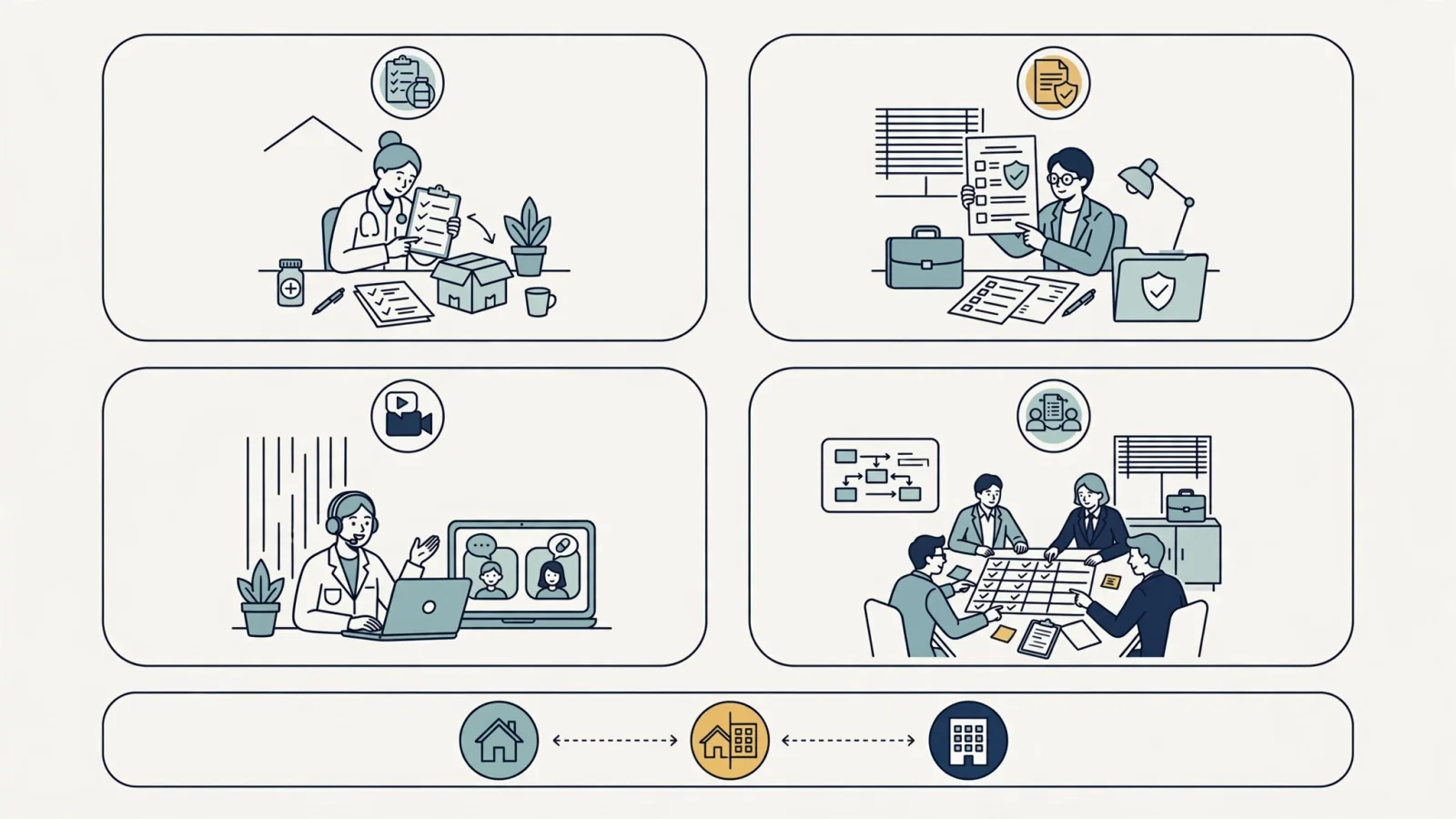
Remote respiratory jobs cover a wide spectrum of work arrangements for respiratory therapists. Fully remote roles allow you to perform all tasks from a dedicated home workspace, communicating with patients and care teams entirely through video, phone, or messaging platforms. Meanwhile, hybrid positions split your week. They require you to spend a certain number of days on-site at a clinic or hospital while completing documentation or virtual follow-ups from home on the other days.
Field-based home care is distinct from remote work. The U.S. Bureau of Labor Statistics notes that home-care respiratory therapists teach patients and their families to use ventilators and other life-support systems, and may inspect and clean equipment during home visits. Because those visits take place in patients’ homes, working in home care does not mean working from home.
For U.S. respiratory therapists seeking roles that allow them to work primarily from a personal workspace, the scope of practice differs from that of other telehealth providers. Physicians and advanced practice providers work under different telehealth scopes, billing codes, and compensation models. For a respiratory therapist, a remote label indicates where your desk sits without revealing the call volume, shift predictability, or stress levels. WeekdayDoc helps candidates compare these exact operational conditions, rather than assuming a home office automatically fixes burnout.
Daily Workflows in Virtual Respiratory Care
Remote respiratory work is better understood by the workflow and the specific patient population than by a single standardized job title. A position often combines live virtual visits with asynchronous monitoring, requiring you to shift between active conversations and silent data analysis throughout your shift. The tasks you handle depend heavily on the employer's protocols and the specific scope of practice permitted by the state where the patient resides.
Virtual Follow-Up and Chronic-Care Support
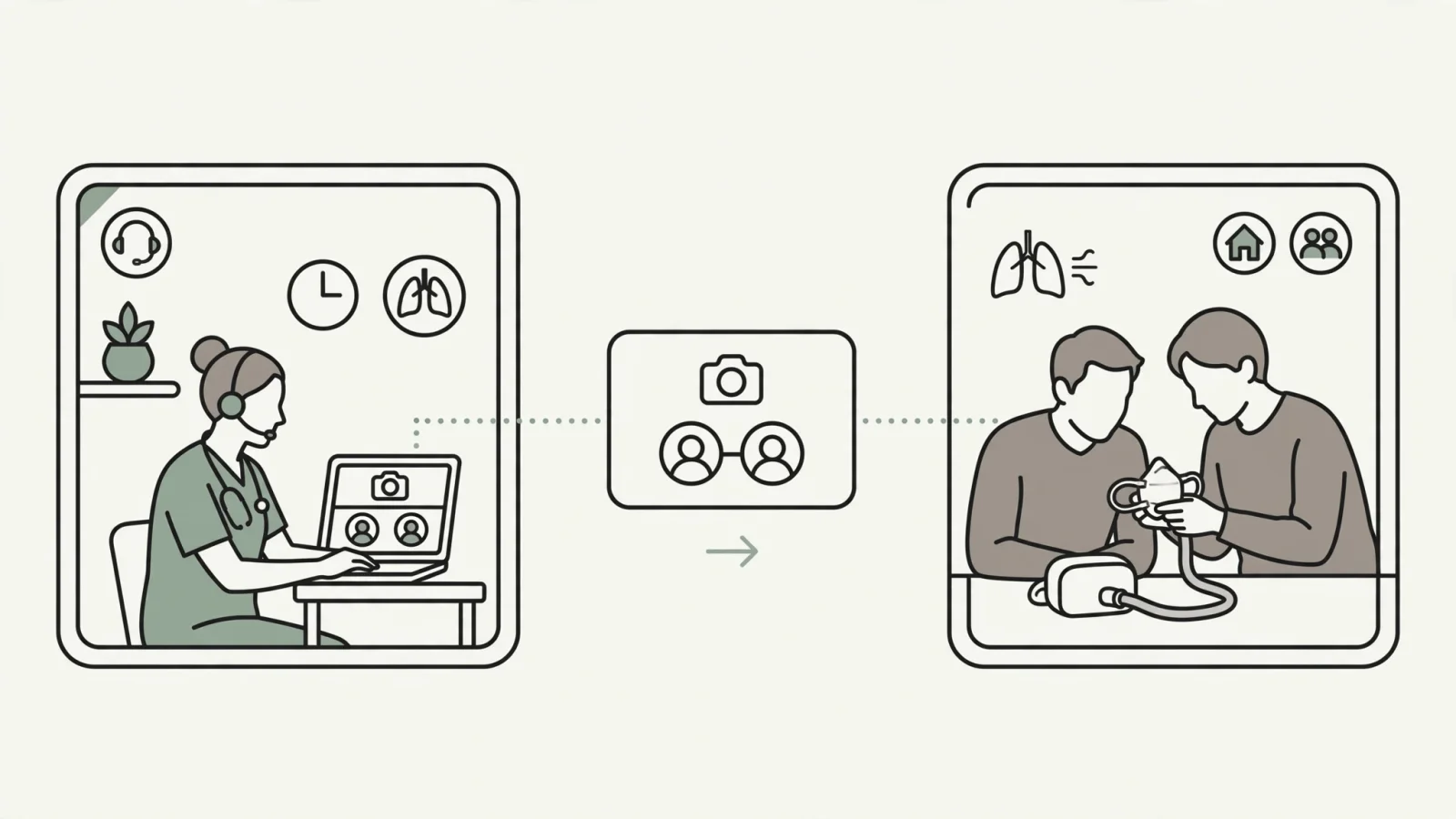
Many remote roles center on managing patients with chronic respiratory diseases such as COPD or asthma. In these positions, you conduct virtual assessments, guide patients through symptom questionnaires, and provide targeted education on disease management. You help patients understand their triggers, review their action plans, and demonstrate proper inhaler techniques over a webcam.
Care coordination forms a large part of this workflow. You might spend a portion of your day reviewing hospital discharge summaries and reaching out to patients to ensure they have received their prescribed home oxygen equipment. If a patient reports worsening shortness of breath during a virtual check-in, you work with their primary care physician or pulmonologist to adjust their treatment plan according to established clinical pathways. Because the pace is generally scheduled, you can prepare for each appointment and document the encounter before moving to the next patient.
Remote Monitoring, Sleep, and Home-Device Support
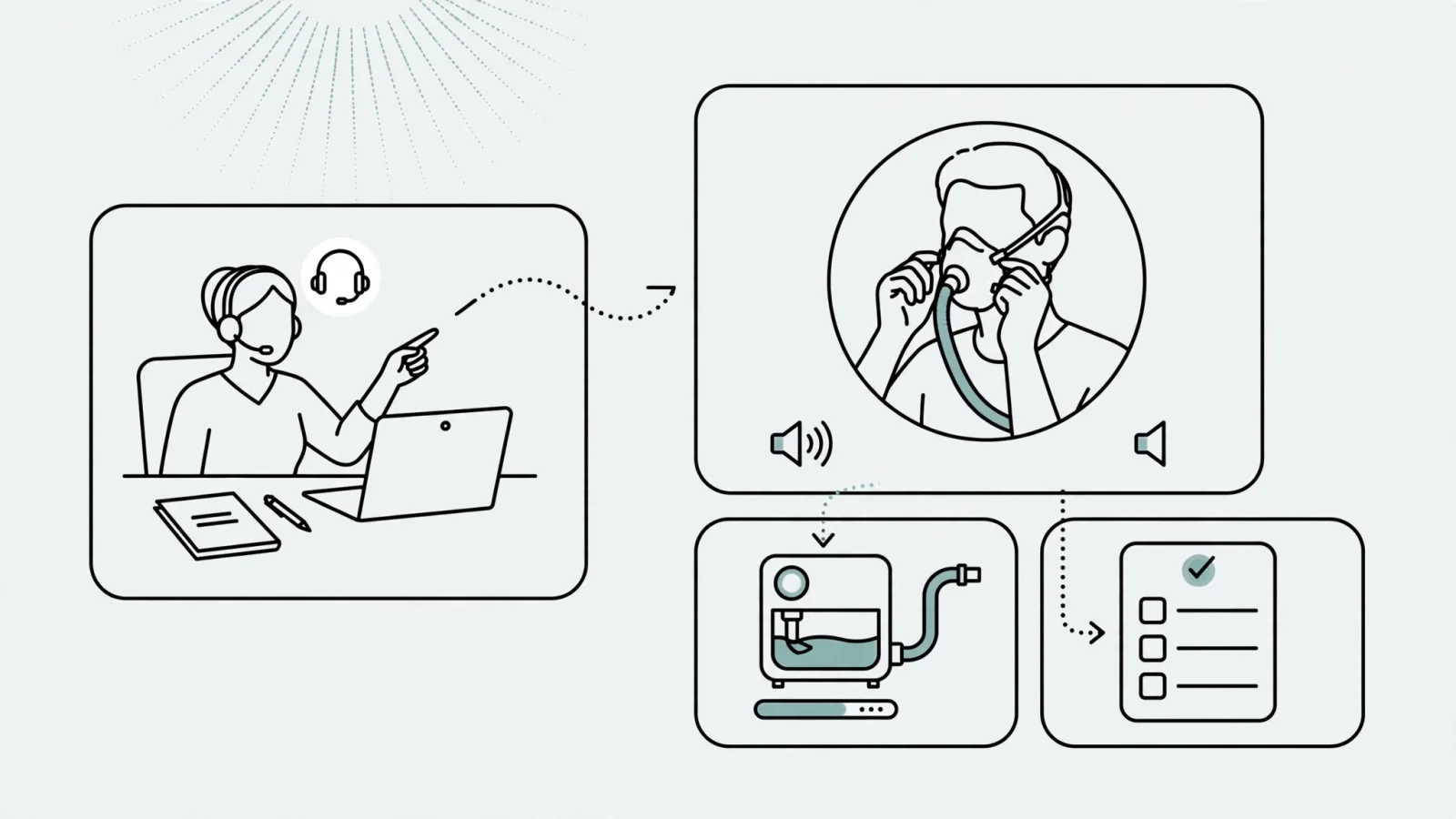
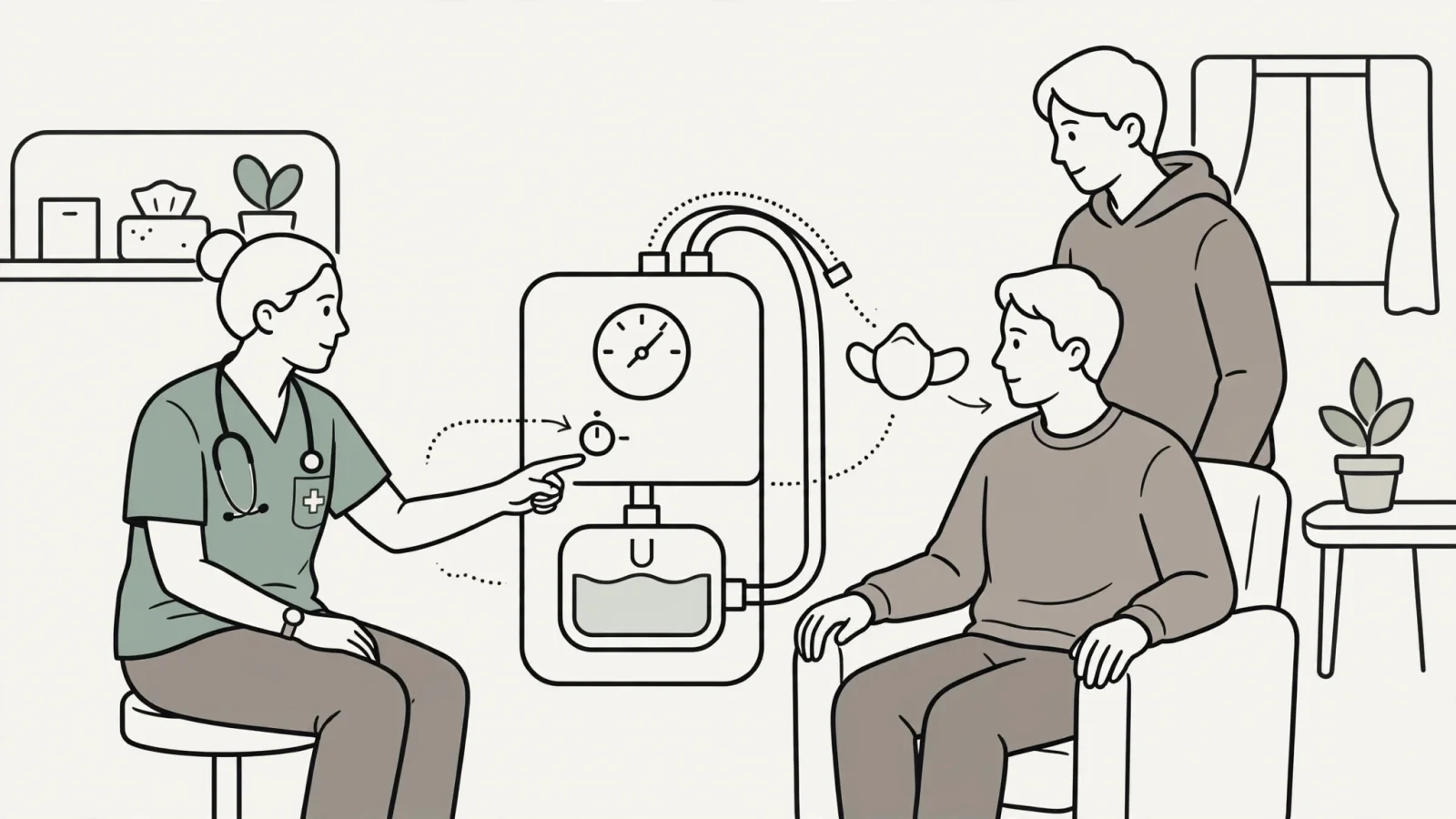
Device monitoring shifts the focus from live conversations to continuous data review. The American Association for Respiratory Care recognizes telehealth activities including positive airway pressure therapy initiation, home-ventilator monitoring, and sleep testing support. You analyze compliance reports and waveform data transmitted from CPAP machines, BiPAP devices, or home ventilators.
When a patient struggles with mask leaks or high pressure settings, you contact them to troubleshoot the interface and encourage adherence to the therapy. Some employers allow you to remotely adjust pressure settings or backup rates based on specific algorithms, while others require you to document the issue and request an order from a physician before any changes take effect. Since this type of work frequently involves a high volume of patients, you may be responsible for managing a queue of hundreds of device users. This requires prioritizing your outreach based on automated flags that highlight poor compliance or frequent apnea events.
Telehealth Rehabilitation and Education
Cardiopulmonary rehabilitation has expanded into the virtual space, allowing patients to participate in guided exercise and education programs from their living rooms. As a remote RT in this setting, you monitor a patient's self-reported vital signs and perceived exertion levels while they exercise on camera, providing real-time coaching on breathing techniques, pacing, and energy conservation.
Clinical education offers another path. Medical device manufacturers and large health systems hire respiratory therapists to train other clinicians or patients on new equipment. You might host webinars on the latest mechanical ventilation strategies, walk nursing staff through the setup of a high-flow nasal cannula system via video link, or create instructional content for a healthcare company's digital library. These roles demand strong presentation skills and a deep understanding of the specific hardware or protocols being taught.
Adjacent Roles That May Be Remote
Your clinical background can also translate into non-patient-facing roles. The American Association for Respiratory Care highlights several adjacent fields, including case management, disease navigation, informatics, data analytics, and industry research.
A respiratory therapist working in informatics might help design the respiratory care modules within an electronic health record system, ensuring the charting interfaces align with clinical workflows. Data analysts evaluate department outcomes or device performance across a hospital network. Transitioning to case management involves navigating insurance approvals for complex home medical equipment. While these career paths exist, they are not universally remote; eligibility for a home office arrangement depends entirely on the specific company and the daily duties of the role.
Navigating Licensing for Cross-State Practice
Moving to a remote environment does not bypass standard clinical requirements. The qualifications you need depend heavily on the employer's standards and the specific state boards governing your practice. Holding a single state license is rarely enough if your employer serves a national patient base.
The foundational requirements for respiratory care remain consistent regardless of your physical location. The Bureau of Labor Statistics notes that RTs typically need an associate degree, though some employers prefer candidates who hold a bachelor's degree. Transitioning to a telehealth position often requires several years of bedside experience, as employers want clinicians who can confidently assess patients without physical diagnostic tools.
Credentialing preferences vary across organizations. Some telehealth companies strictly require the Registered Respiratory Therapist credential for all clinical positions, viewing it as a baseline for independent remote practice. Others accept the Certified Respiratory Therapist designation, especially for roles focused on basic equipment troubleshooting or patient intake. Review the specific educational and credentialing requirements for each open position, as exceptions are rare when dealing with corporate compliance departments.
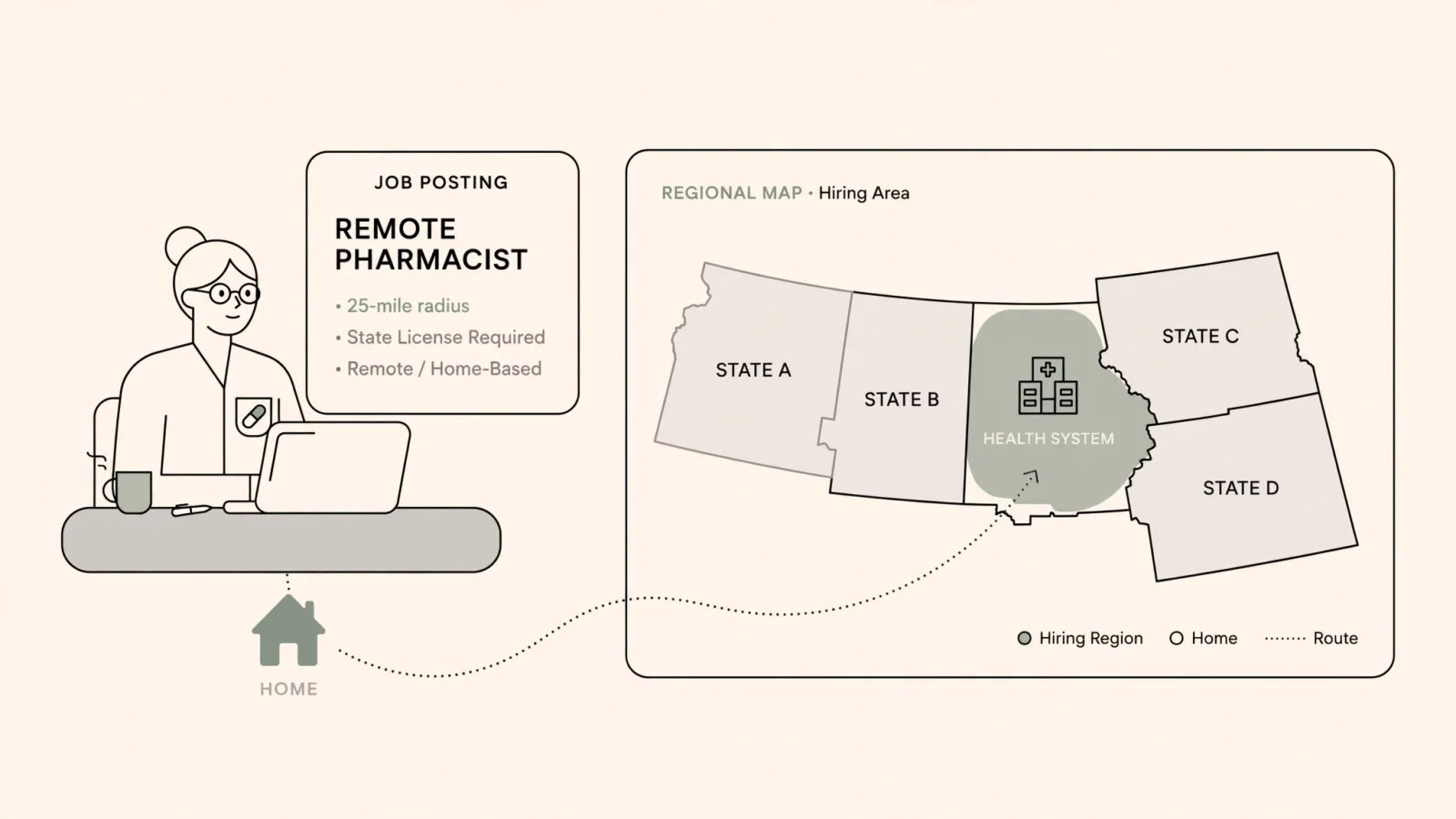
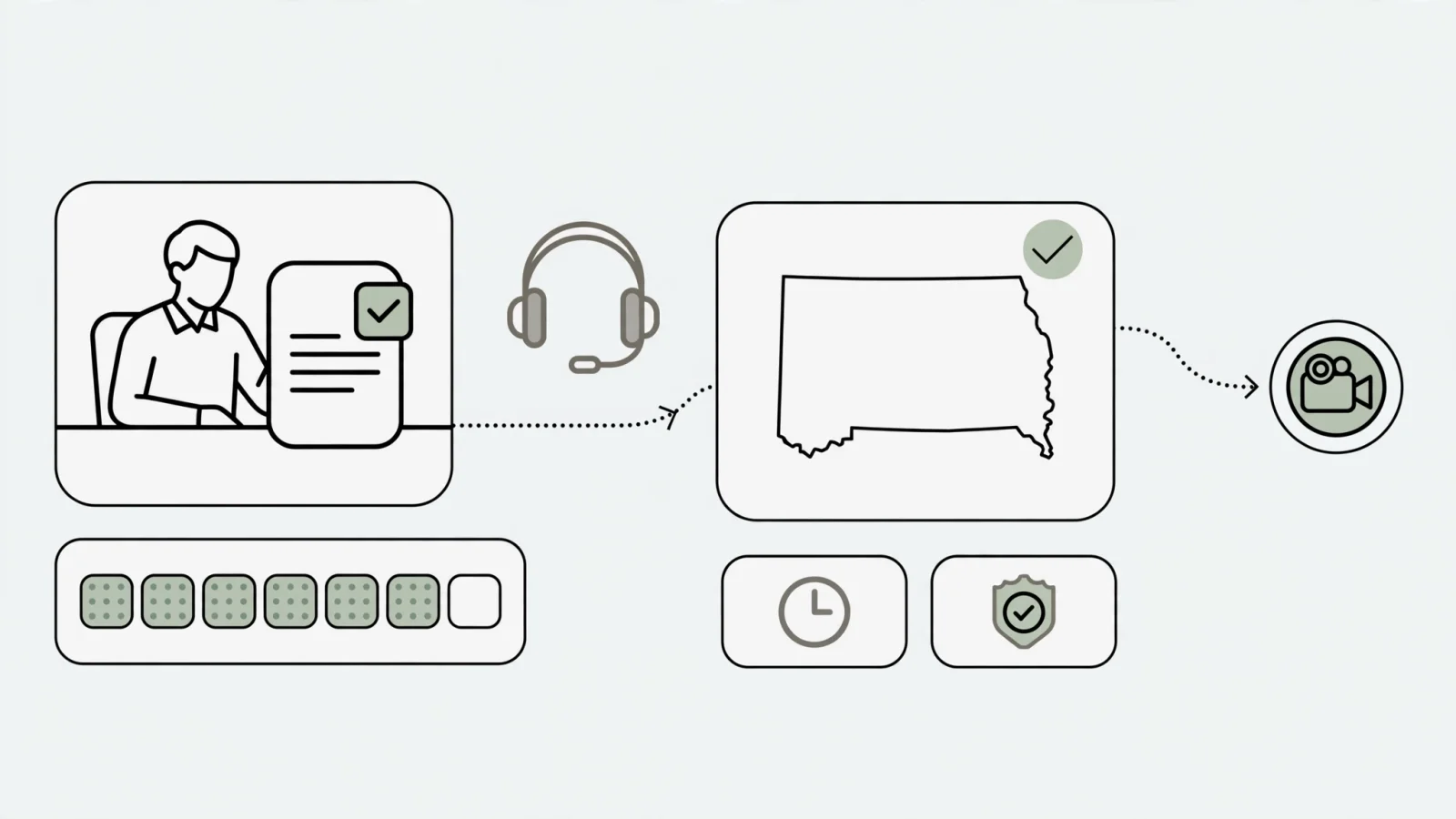
Providing care across state lines introduces regulatory complexity. When you connect with a patient via video or phone, the legal location of the medical encounter is the patient's physical location, not your home office. That means you need appropriate authorization to practice in the state where the patient is sitting at the time of the appointment.
Federal guidance on licensing across state lines outlines several compliance pathways. Because state rules vary, the listed pathways include a full license, temporary practice laws, licensure reciprocity, compacts, and telehealth registration where available. The guidance also says compacts streamline cross-state licensing and allow providers to practice in participating states.
Before each telehealth appointment, verify the patient's location and obtain informed consent. Managing multiple state licenses brings administrative burdens, including tracking different renewal dates, completing varying continuing education requirements, and paying numerous fees. For a role covering a wide geographic area, discuss how the employer handles credentialing and whether it reimburses the costs associated with maintaining compliance in multiple jurisdictions.
Evaluating Compensation Structures
Evaluating compensation for remote positions requires looking beyond the top-line number to understand how the pay is structured. The Bureau of Labor Statistics reports a national median wage of $82,280 per year for respiratory therapists as of May 2025. This figure provides broad, occupation-wide context, but it represents all settings and does not separate remote workers from bedside clinicians. Because the available data does not support a general rule that remote roles consistently pay more or less than traditional hospital positions, the structure of the compensation package often matters more than the gross estimate.
Some telehealth roles offer a predictable salaried income, which protects you from fluctuations in patient volume. Others operate on an hourly basis, requiring you to carefully track your time spent charting and following up on missed calls. Certain device monitoring companies use a productivity-based model or a per-visit rate, meaning your income drops if patients fail to show up for their virtual appointments or if the alert volume decreases.
You also need to weigh the value of the provided benefits and covered expenses. A slightly lower hourly rate might be offset if the employer provides premium health insurance, covers all multi-state licensing fees, and ships a fully equipped computer and monitor setup to your home. Conversely, an independent contractor position might offer a higher per-visit rate but leave you responsible for your own technology, internet costs, self-employment taxes, and liability insurance. Gather all these details to build an accurate comparison of the total offer.
Assessing Schedule and Workload Fit
A remote location does not guarantee a predictable day or a lower stress level. Working from home can easily blur the boundary between your personal life and your clinical responsibilities if the employer maintains demanding operational expectations. Targeted questions during the interview can help you uncover the workload.
Start by clarifying whether the role is fully remote, hybrid, or field-based, along with the expected travel. Also check which states the employer hires in, since some restrict work-from-home roles to specific tax jurisdictions, and where the patients are located, which determines the time zones you will support.
During the interview, find out whether the work is driven by scheduled virtual visits, a continuous queue of inbound patient calls, or incoming monitoring alerts. A scheduled clinic day allows for structured breaks, while a queue-based system might require you to remain glued to your headset for eight straight hours. Discuss patient volume expectations and required response times for device alerts. For home-ventilator monitoring, clarify how clinical escalations are handled and which decisions fall within your scope of practice.
Review the schedule for night shifts, weekend rotations, holiday coverage, and on-call duties. Clarify how the company handles paid administrative time for documentation and mandatory training. If you are paid hourly, ask how overtime is handled when a late-afternoon patient encounter runs long.
To make this evaluation easier, WeekdayDoc assigns a 0-to-10 work-life score to listings on the platform. This score acts as a structured comparison signal based on listed factors like call coverage, nights, weekends, schedule flexibility, autonomy, and administrative burden. While it cannot guarantee your individual experience, pairing this score with the visible schedule details and market pay context helps you compare different remote respiratory jobs objectively. A high score indicates fewer off-hours obligations and more predictable workflows, giving you a tangible metric to weigh against the compensation.
Finding the Right Remote Fit
Locating the right position requires searching for the specific workflows you want to handle. Employers use a variety of titles to describe these roles, so testing different queries can yield better results. You might search for remote patient monitoring, home ventilator support, sleep therapy educator, telehealth pulmonary rehabilitation, or respiratory case management. Using terms related to the daily tasks often surfaces opportunities that a generic search misses.
You can find current openings and filter by schedule requirements by visiting the WeekdayDoc platform. Setting up AI-matched alerts allows the system to notify you when a role fits your specific background and licensing profile. Once you find a match, the one-click application process streamlines your submission.
When an employer extends an offer, our contract scanner can flag restrictive clauses, payback conditions, and confusing productivity requirements hidden in the text. You can also use our negotiation scripts to confidently request licensing reimbursements or clarify on-call pay rates before signing. Evaluating a job offer thoroughly ensures the reality of the work aligns with the lifestyle improvements you expect from a home office.
Frequently Asked Questions
Does home care count as remote work? Generally, no. Home-care respiratory therapists travel extensively to visit patients in their residences. While you do not work in a hospital, you are field-based rather than working from a home office.
Do all telehealth roles require an RRT? Requirements vary by employer. Some companies mandate the RRT credential for all virtual clinical staff, while others accept the CRT credential for specific monitoring or intake roles.
Can I treat patients in any state if I work from home? No. You must be licensed or otherwise legally authorized to practice in the specific state where the patient is physically located during the telehealth encounter.
Ready to find a schedule that fits your life? Browse current openings, compare work-life scores, and set up personalized job alerts at WeekdayDoc.