Remote Respiratory Therapist Jobs: Roles, Pay, and Fit
Learn what remote respiratory therapist jobs can involve, how to assess pay and licensing, and which schedule questions to ask before accepting.
A change in practice location eliminates your commute, but it does not automatically resolve a heavy clinical workload or an unpredictable schedule. Respiratory therapists exploring non-bedside roles often look for home-based positions to gain flexibility and lower their risk of burnout. Evaluating these roles means looking closely at the actual duties, patient-contact patterns, licensing requirements, and total compensation.
The term "remote" describes where you sit while delivering care, rather than functioning as a standard job title or a promise of predictable hours. Some positions offer structured, scheduled workdays consisting of asynchronous data review, while others require you to remain on call for continuous monitoring alerts, handle weekend escalation workflows, or travel extensively within a local territory. WeekdayDoc helps healthcare professionals compare these realities by providing job-level work-life scores, making call expectations visible, and offering tools for negotiation and contract review. This lets you evaluate a role based on its operational demands rather than its location alone.
How Respiratory Therapy Adapts to Virtual Care
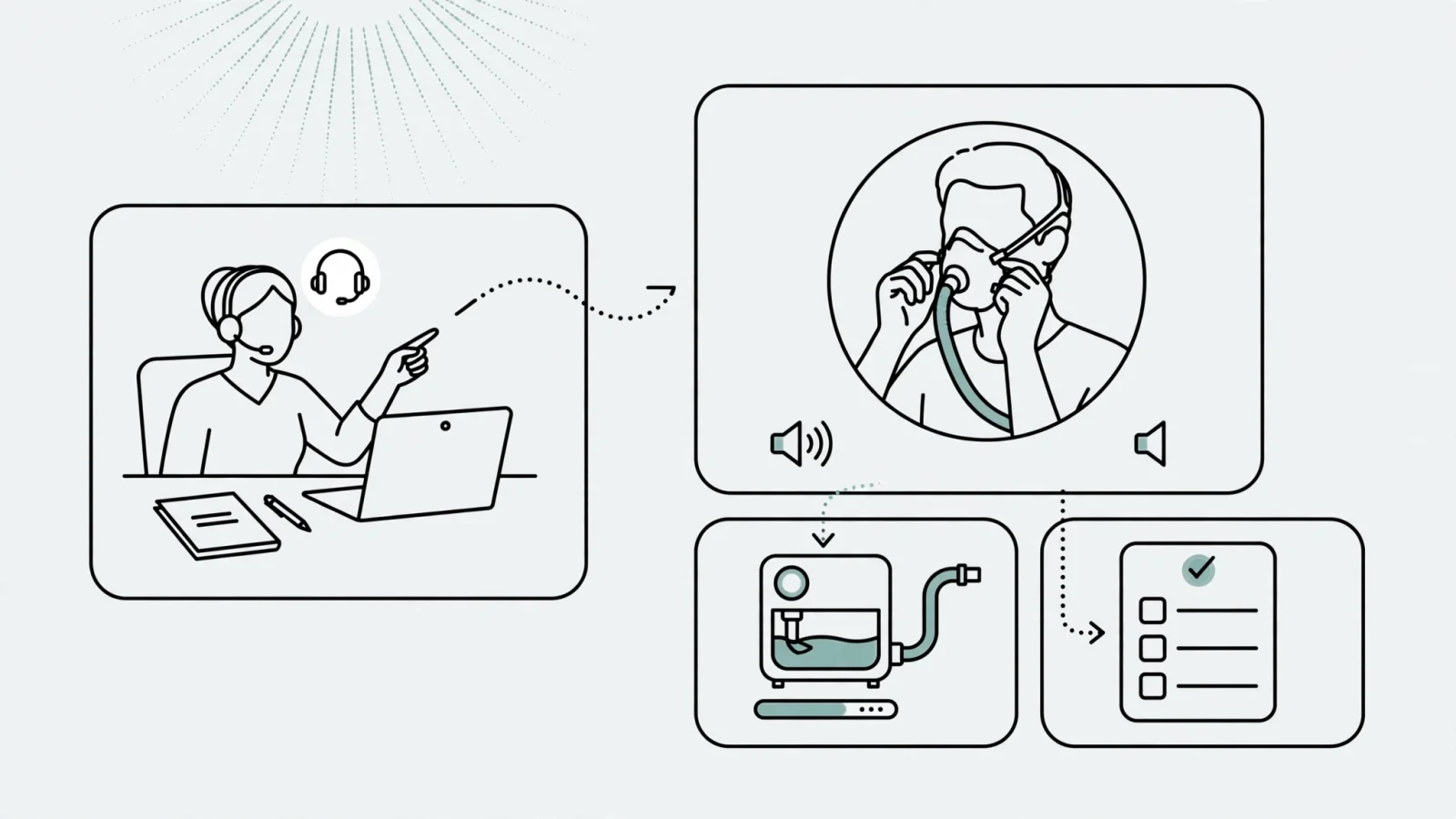
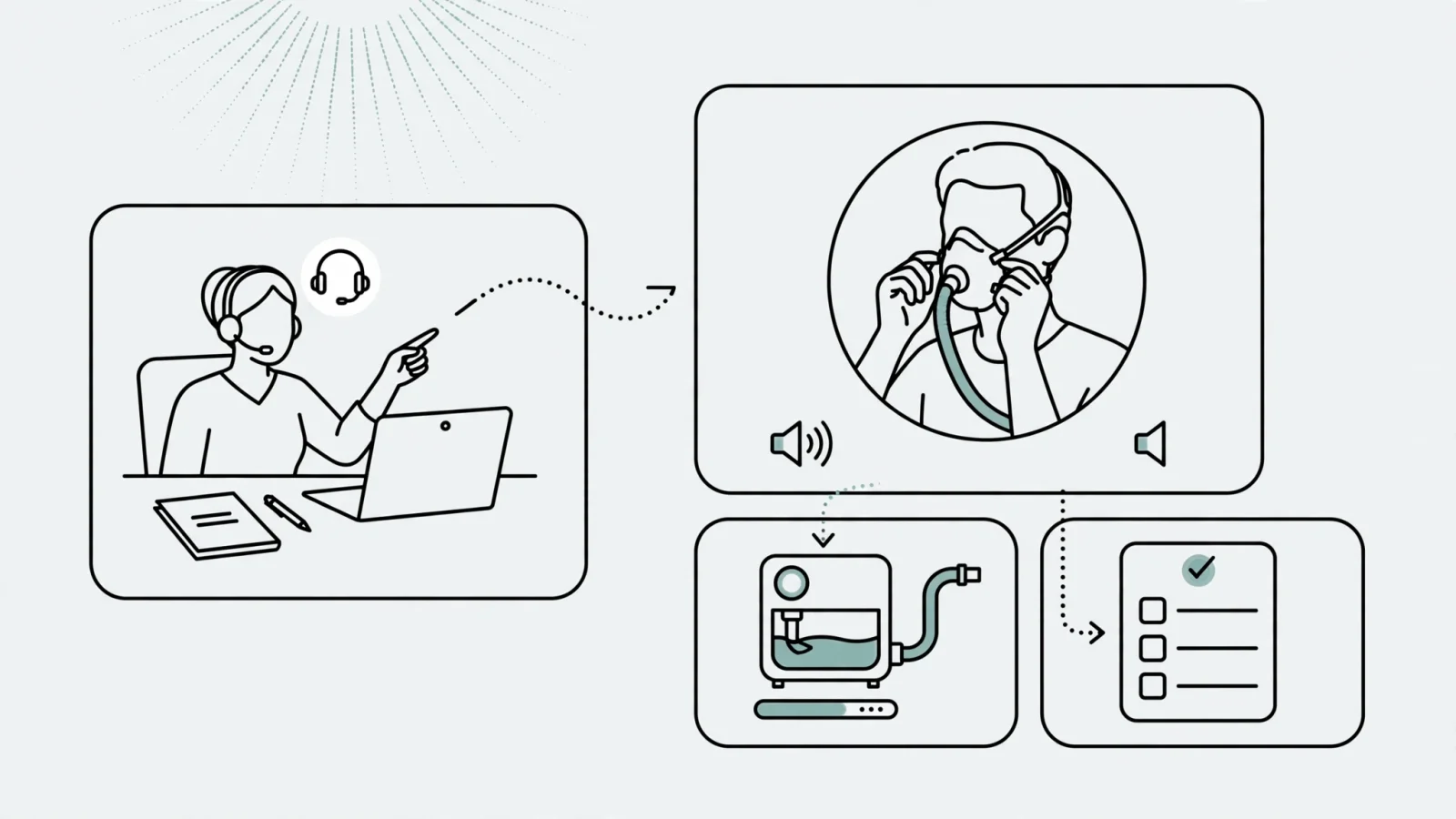
Respiratory care has adapted well to virtual environments. Advanced monitoring technology, secure video platforms, and connected medical devices allow clinicians to manage many respiratory conditions without standing at the bedside, meaning you can assess patients, monitor device adherence, and coordinate care plans from a home office.
A remote work arrangement does not guarantee a specific type of schedule. A position handling urgent telehealth consultations for a national provider might demand rotating shifts, while a role focused on chronic-disease education might follow standard business hours. Because the daily routine varies significantly by employer, evaluating a position involves looking at the specific services the role delivers and the communication methods it requires.
Daily Duties of a Remote Respiratory Therapist
A remote position can involve live video visits, asynchronous device review, clinical education, and coordinated care planning. Employers structure these duties differently depending on their patient population and service model. A 2023 American Association for Respiratory Care position statement outlines several telehealth services that clinicians deliver remotely, illustrating the breadth of non-bedside opportunities.
Virtual Follow-Up and Chronic-Care Support
Clinicians manage chronic conditions through scheduled patient consultations, where they assess patients, provide education about conditions such as COPD or asthma, and develop ongoing care plans. A typical shift involves conducting video interviews to evaluate symptom progression, check inhaler technique, and help patients identify exacerbation triggers before they require emergency intervention. These roles rely on your ability to interpret patient-reported symptoms and communicate findings clearly to the broader care team.
Sleep, PAP, and Home-Ventilator Support
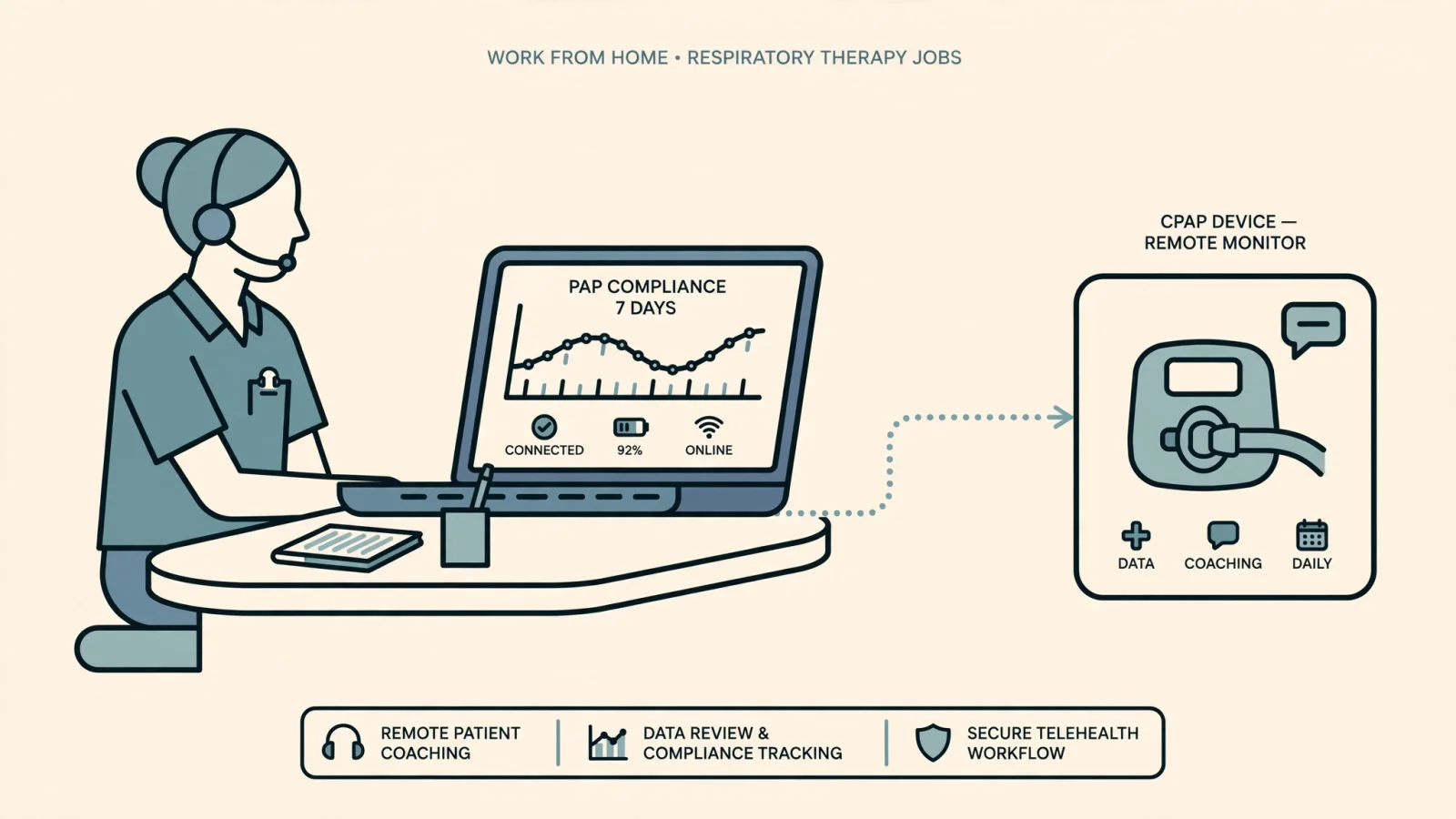
Therapists frequently manage sleep testing and positive-airway-pressure therapy from non-clinical settings. Duties include guiding a patient through interface acclimation, initiating PAP therapy, and monitoring device adherence over time. For example, you might walk a new user through resolving a mask leak via video chat or adjust pressure settings under a physician's order. Home-ventilator management also falls into this category, giving you the responsibility to review device settings and patient tolerance to keep complex respiratory care functioning safely outside a hospital environment.
Remote Monitoring, Rehabilitation, and Education
Remote monitoring focuses on transmitted health information, meaning you review downloaded data from home ventilators, pulse oximeters, or PAP machines to identify concerning trends. When a patient's baseline shifts, defined escalation workflows guide your intervention. Other duties include leading cardiopulmonary rehabilitation sessions over video, planning treatments, and coordinating interprofessional consultations. A subset of these roles focuses entirely on education, tasking the therapist with training other healthcare professionals on new respiratory equipment or clinical protocols.

Differentiating Remote, Hybrid, and Home-Care Roles
Employers use location labels loosely, and job search platforms often group entirely different practice models under the same category. A search for respiratory therapist jobs remote will frequently return positions that require driving alongside roles that keep you at a desk, making it important to clarify the physical expectations of the role before advancing in the interview process.
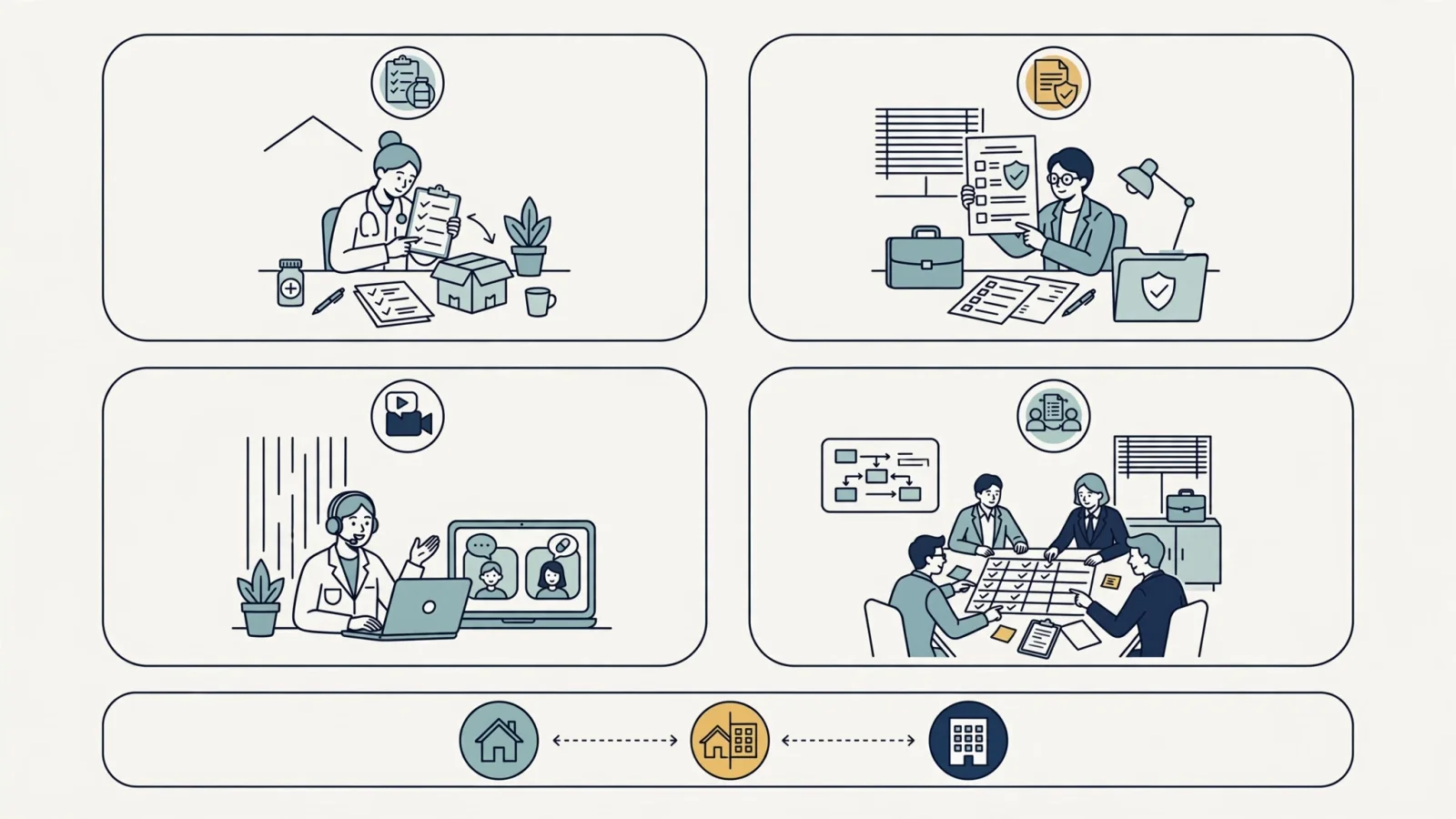
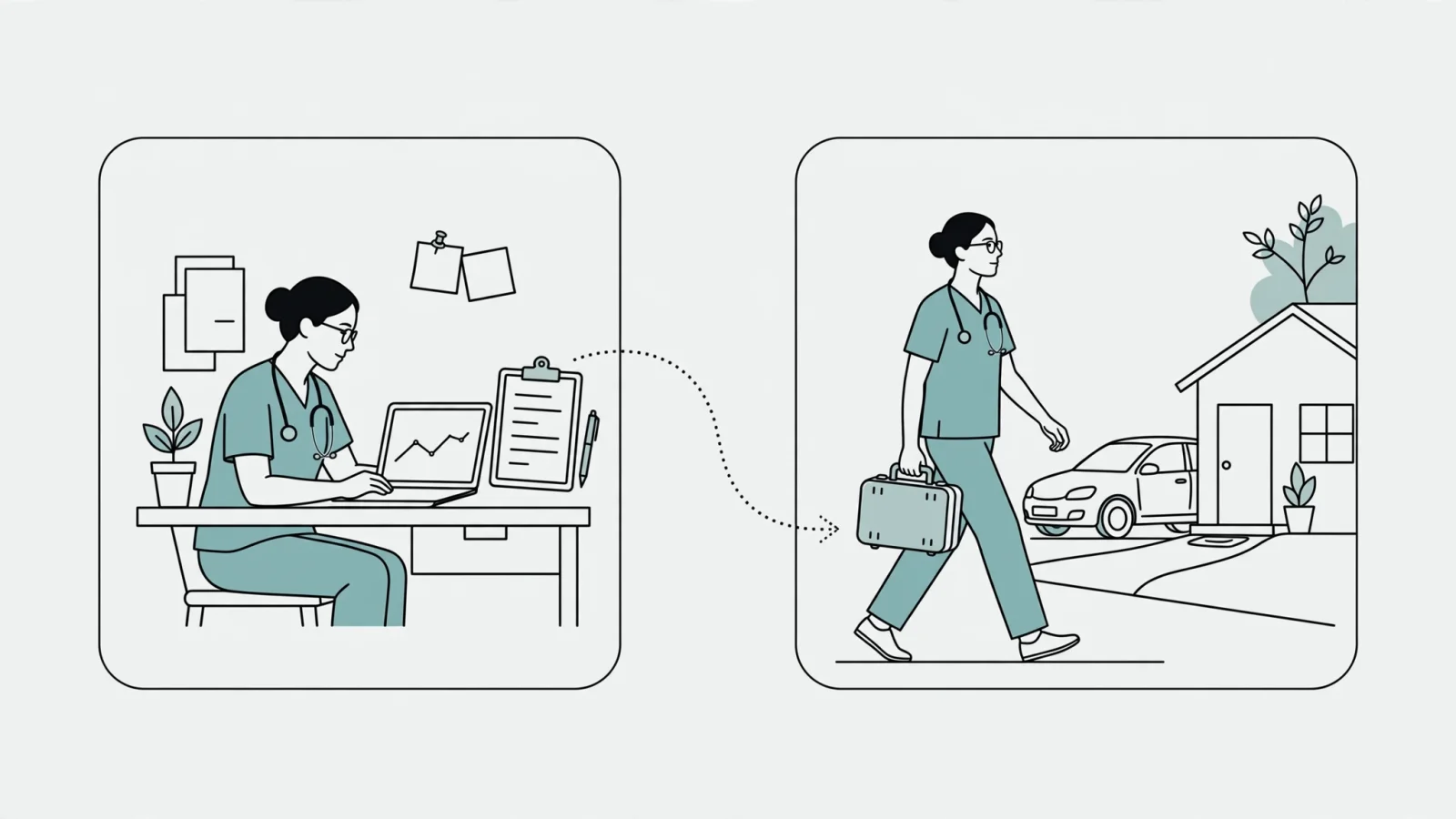
A fully remote position keeps you in a home office, where you perform your duties via phone, video, or data portal without visiting patients in person or reporting to a central facility. Hybrid roles combine remote administrative or monitoring work with required on-site shifts at a hospital, clinic, or sleep lab. In contrast, home-care or territory-based jobs involve traveling to patient homes to set up equipment, perform assessments, or troubleshoot ventilators. These roles require significant driving, even if you complete your documentation and scheduling from a desk.
| Work Arrangement | Location | Travel Expectation | Schedule Characteristics |
|---|---|---|---|
| Fully Remote | Home office | None | Scheduled visits or alert-driven data monitoring; stable physical environment. |
| Hybrid | Mixed | Commute to facility | Combines on-site clinical shifts with remote administrative or follow-up days. |
| Home Care / Territory | Patient homes | High (driving) | Requires navigating local traffic, setting up physical equipment, and varying home environments. |
Understanding these distinctions helps you narrow your search to roles that fit your lifestyle. If you need a position without physical travel, screening out territory-based home health listings becomes a priority. For more context on navigating these specific categories, you can review our guide to Work From Home Respiratory Therapy Jobs, which details the daily logistics of desk-based clinical work.
Qualifications and Multi-State Licensing Requirements
Remote roles require the same foundational clinical knowledge as bedside positions, but they add complex regulatory requirements regarding where you are permitted to practice. Qualifying for these roles involves demonstrating your clinical competence and securing the legal authority to treat patients in specific geographic areas.
Education, Credentials, and Experience
The Bureau of Labor Statistics reports that respiratory therapists typically need an associate degree, and licensure is required in every state except Alaska. Beyond that baseline, some employers prefer a bachelor's degree, and some require Registered Respiratory Therapist certification before hiring or within a specified amount of time on the job.
Cross-State Telehealth Authorization
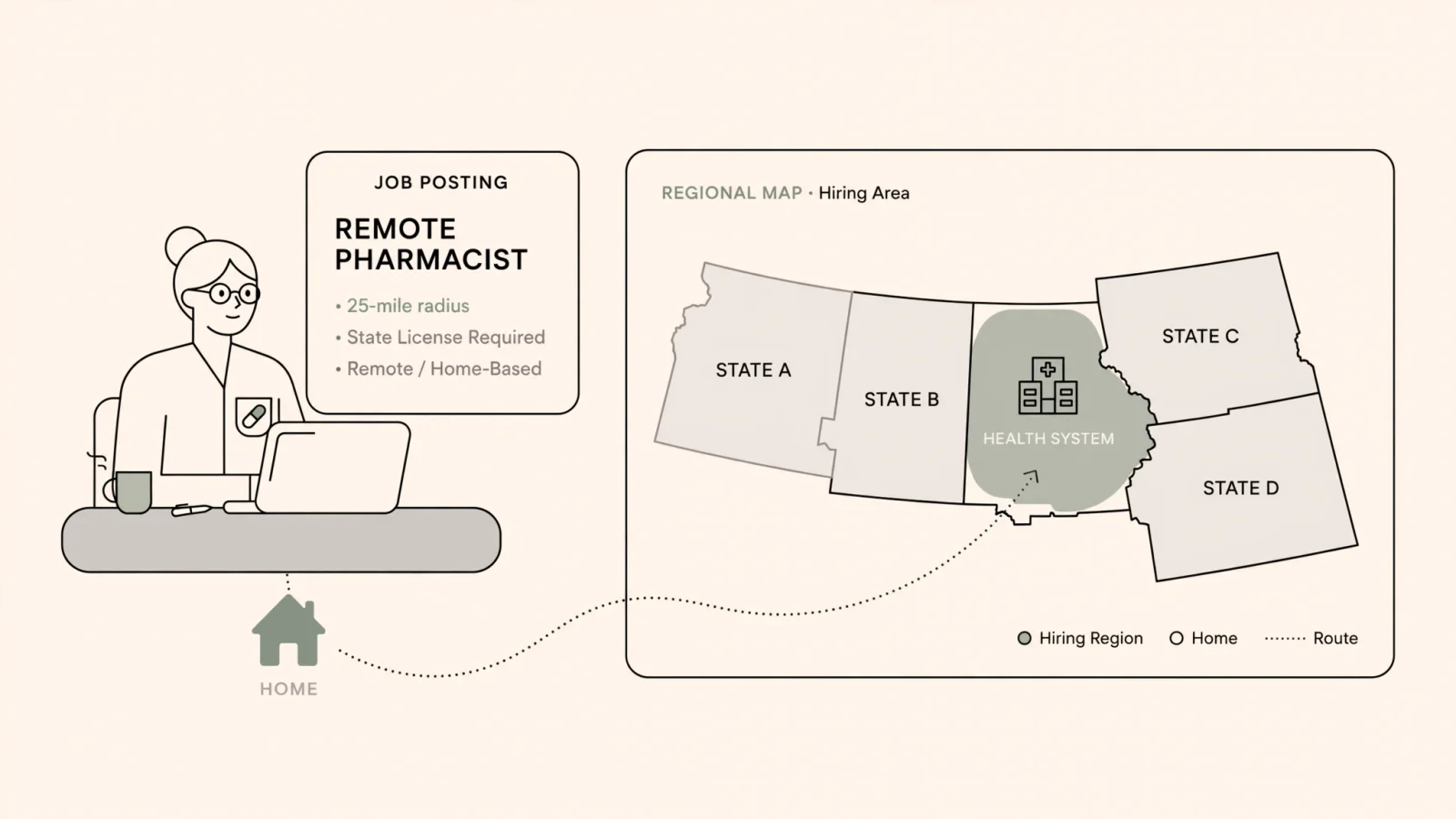
Because rules for cross-state care vary, practicing across state lines requires checking the applicable requirements. General Department of Health and Human Services guidance advises providers to verify a patient's location before an appointment. That means a license from the state where your home office sits alone does not establish whether you're authorized to practice in another state.
Depending on the employer's coverage map, you may need to navigate full state licensure applications, temporary-practice rules, reciprocity agreements, or specific telehealth registrations for multiple jurisdictions. Asking potential employers which states they serve, what authorizations the role requires, and who handles the cost and paperwork of initial licensing and ongoing renewals clarifies this burden early. Managing six different state licenses requires dedicated time, meaning you need to know if the employer provides administrative support for that process.
Compensation Structures for Non-Bedside Roles
Evaluating compensation for a non-bedside role involves looking past the base salary to understand how the employer structures your pay and what expenses fall on your shoulders. The available data does not establish a universal remote pay premium or penalty, nor does it provide a specific national median for remote respiratory work.
The Bureau of Labor Statistics reports an occupation-wide national median annual wage of $82,280. This figure covers all practice settings, including hospitals, outpatient care centers, and nursing facilities. While this benchmark serves as a starting point, analyzing the specific compensation model of any remote offer reveals the actual financial picture.
Some remote roles pay a predictable salary or a guaranteed hourly rate, while others use a per-visit or productivity-based model where your income depends entirely on the volume of patients you see or the number of monitoring reports you complete. Under a per-visit model, you absorb the financial impact when a patient cancels an appointment. Clarifying whether the employer pays for administrative time, charting, mandatory meetings, and technical troubleshooting prevents unwelcome surprises on your first paycheck.
Total compensation also includes the costs you incur to perform the job. A remote role saves commuting expenses, but it might require you to maintain a dedicated high-speed internet connection, purchase specific home-office furniture, or use your personal phone for patient communication. Checking whether the employer provides a technology stipend or supplies all necessary hardware paints a clearer picture of your net income.
WeekdayDoc helps place these numbers in context. By reviewing salary comparisons, market percentiles, and visible compensation structures alongside schedule demands, you can determine if a specific role offers fair market value for the work required. A slightly lower base salary might represent a strong offer if it includes fully paid licensing, comprehensive equipment stipends, and a strict limit on weekend coverage.
Assessing Schedule Quality Before Accepting an Offer
A home office protects you from hospital alarms and physical fatigue, but it does not automatically protect your time. A poorly structured remote role can intrude on your evenings and weekends just as easily as a bedside position, making it necessary to assess the schedule quality and operational boundaries before signing a contract.
The Difference Between Scheduled and Alert-Driven Work
The Bureau of Labor Statistics notes that therapists working in continuously operating facilities often experience shifts that include nights, weekends, or holidays. Because remote monitoring companies and national telehealth providers also operate continuously, roles involving urgent alerts from home ventilators require staff to cover undesirable hours.
Distinguishing whether the work is scheduled or alert-driven clarifies your daily routine. Scheduled work, such as leading a smoking cessation class or conducting routine PAP compliance checks, usually happens during predictable business hours. Alert-driven work requires monitoring a dashboard and responding to concerning changes in patient data as they happen. If you cover a patient population spread across multiple time zones, your "morning" shift might require availability until the early evening in your local time. For additional perspective on how platforms manage these scheduling demands, see our resource on Telehealth Respiratory Therapist Jobs: Roles and Realities.
Logistical Questions for the Interview Phase
Protecting your time and career longevity involves asking specific logistical questions during the interview phase. This checklist helps uncover the daily realities of the position:
- Is the role fully remote, hybrid, or territory-based?
- Are any patient visits or physical travel required, and how is travel time compensated?
- Which patient states does the employer serve, and what specific licensure or telehealth authorization does the role require?
- What are the usual operating hours, what time zone dictates the schedule, and what are the specific night or weekend expectations?
- Is the work scheduled, asynchronous, or driven by live alerts?
- What exact response times are expected when an alert triggers?
- What is the anticipated caseload or daily volume expectation, and how much administrative documentation accompanies that volume?
- What clinical protocols and escalation support systems exist for urgent findings or patient deterioration?
- Is compensation salary-based, hourly, per-visit, or tied to productivity metrics?
- Is on-call time or overtime paid, and at what rate?
- Are training hours, multi-state licensing costs, specialized equipment, internet service, or travel miles reimbursed?
- How does the organization measure clinical performance, and what level of autonomy do therapists maintain over patient care plans?
A role that provides clear answers to these logistical checks offers a sustainable working environment, whereas a position that leaves these details vague will likely push the burden of schedule management and administrative overhead onto you.
Finding a sustainable non-bedside position requires looking past the location to evaluate the work itself. WeekdayDoc provides the structured decision data needed to make an informed choice about your next role. With job-level work-life scores, visible call and weekend expectations, and clear market percentiles, you can compare flexible positions based on their actual demands. Explore WeekdayDoc to find AI-matched listings, access negotiation scripts, and use our contract scanner to identify restrictive clauses before you sign.