Remote Healthcare Jobs in Arizona: Roles and Fit
Explore remote healthcare roles in Arizona, with guidance on licensure, pay, workload, and schedule expectations before you apply.
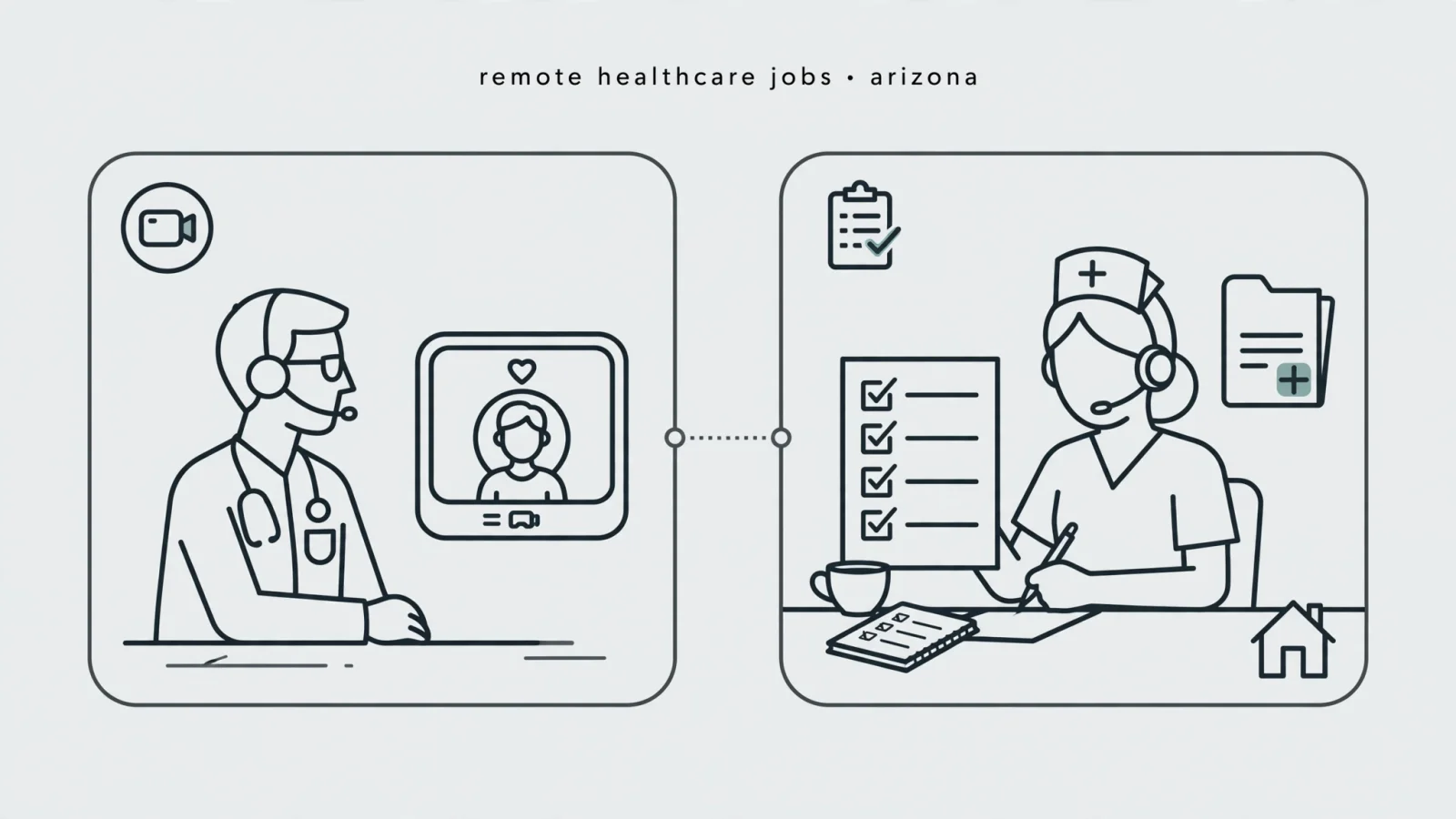
Finding a clinical position away from the bedside or clinic floor takes more than filtering a job board for a new location. Remote work changes how you interact with patients and colleagues, and brings new considerations, including state licensing, schedule demands, and pay structures. To judge whether a role will improve your quality of life, look beyond the title and consider its day-to-day demands.
For remote healthcare jobs in Arizona, start by checking which states the employer serves, whether the role involves asynchronous chart review or live visits, and how productivity is measured. WeekdayDoc helps you compare work-life balance, call requirements, and compensation upfront. Looking at these factors early can help you focus on positions that fit your financial needs and schedule preferences.
Remote healthcare job options in Arizona
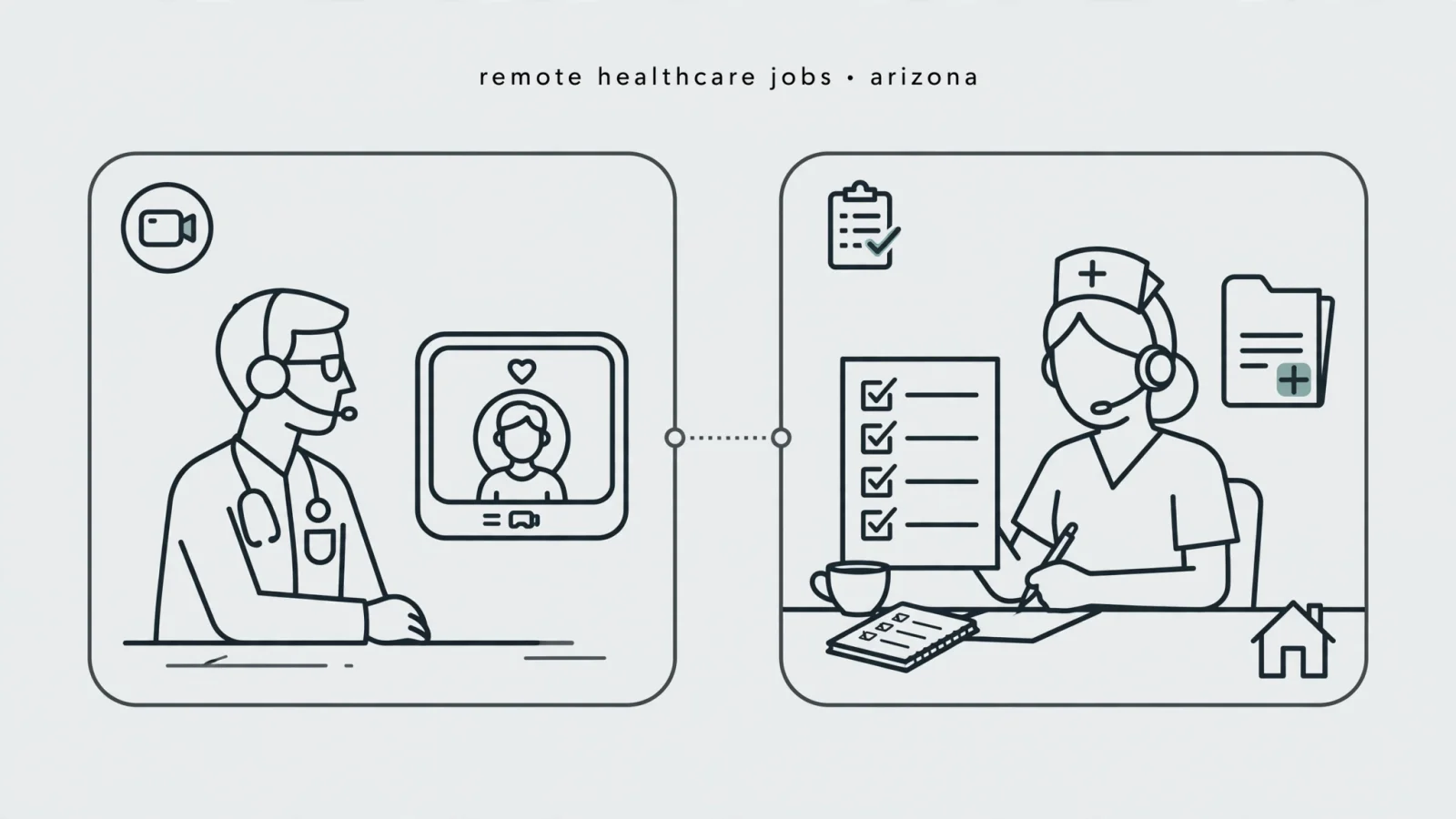
Working away from a traditional clinic or hospital takes several forms, from direct patient care to clinical support or administrative oversight. Eligibility for these roles depends entirely on the hiring organization, your professional license, and the approved locations for both the clinician and the patient. You can explore current examples through the WeekdayDoc remote healthcare jobs search, which allows you to filter opportunities by Arizona, your profession, specialty, and preferred work type.
Patient-facing telehealth
Physicians, nurse practitioners, physician assistants, and behavioral health therapists frequently transition to patient-facing telehealth roles. These positions involve delivering care through synchronous video visits or phone consultations. A telemedicine physician might handle urgent care triage, while a psychiatric nurse practitioner conducts scheduled mental health evaluations.
These roles require a quiet, secure home workspace to maintain patient privacy during live interactions. Employers generally expect you to maintain a steady cadence of appointments, so your day resembles a traditional clinic schedule translated to a screen. You will manage a daily roster of patients, document encounters in the electronic health record between visits, and respond to follow-up questions in your clinical inbox.
Remote clinical support
Clinicians seeking a break from direct patient care often pursue remote clinical support positions. Registered nurses frequently transition into case management, care coordination, or utilization review. A utilization review nurse evaluates medical records against specific criteria to determine the medical necessity of proposed treatments or hospital admissions. Case managers coordinate care transitions, ensuring patients receive appropriate home health services or follow-up appointments after discharge.
Support roles rely heavily on asynchronous work, though they still require regular communication with hospital staff, insurance providers, and patients via phone or secure messaging. The daily routine involves extensive chart review, data entry, and phone coordination rather than scheduled clinical encounters. If you are interested in exploring other non-clinical avenues, you might review remote healthcare data analyst jobs to see how clinical experience translates to interpreting health outcomes and operational metrics.
Other remote clinical services
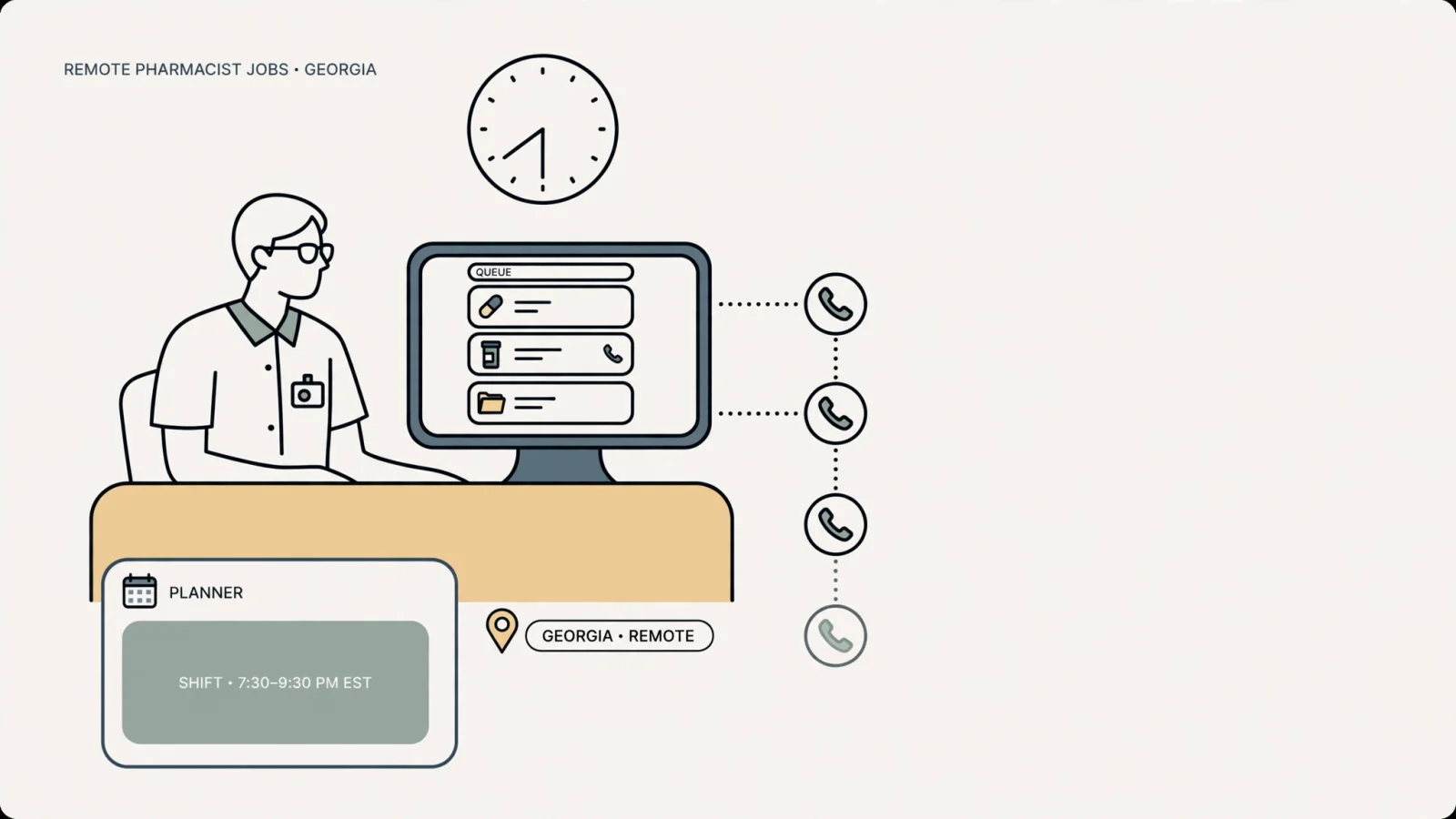
Pharmacists and dietitians also find specialized remote roles. A remote pharmacist might conduct medication therapy management by verifying prescriptions for a central pharmacy system, consulting with patients over the phone, and advising prescribers on drug interactions. Telehealth dietitians develop nutrition plans and counsel patients on managing chronic conditions like diabetes or kidney disease. Professionals focused on regulatory adherence can also transition into remote healthcare compliance jobs, managing risk and policy enforcement for dispersed health systems.
Comparing remote, telehealth, and hybrid arrangements
Job descriptions frequently blend terminology, making it difficult to understand the daily requirements of a position. Clarifying these terms helps you identify whether a role matches your expectations for location independence and schedule control.
Telehealth describes the method of care delivery: you provide clinical services using digital communication tools rather than seeing the patient in the same room. Remote describes your work arrangement, meaning you perform your duties away from the employer's central facility, typically from a home office. Hybrid work combines remote duties with scheduled in-person responsibilities.
A job label alone does not guarantee a specific lifestyle. A fully remote telehealth role might still require you to log in exactly at 8:00 AM and remain on camera until 5:00 PM, offering no flexibility to run errands during the day. Another remote position might mandate participation in a weekend call pool, requiring you to respond to urgent patient messages on Saturdays.
Hybrid roles introduce geographic constraints. An employer might require a care coordinator to work from home three days a week but spend two days conducting in-home patient assessments across Maricopa County. Alternatively, a hybrid physician role might involve four days of remote telemedicine consults and one day performing procedures at a clinic in Phoenix. Before pursuing a role, clarify any required clinic days, expected travel radii, mandatory staff meetings, and coverage expectations.
License requirements for Arizona remote healthcare roles
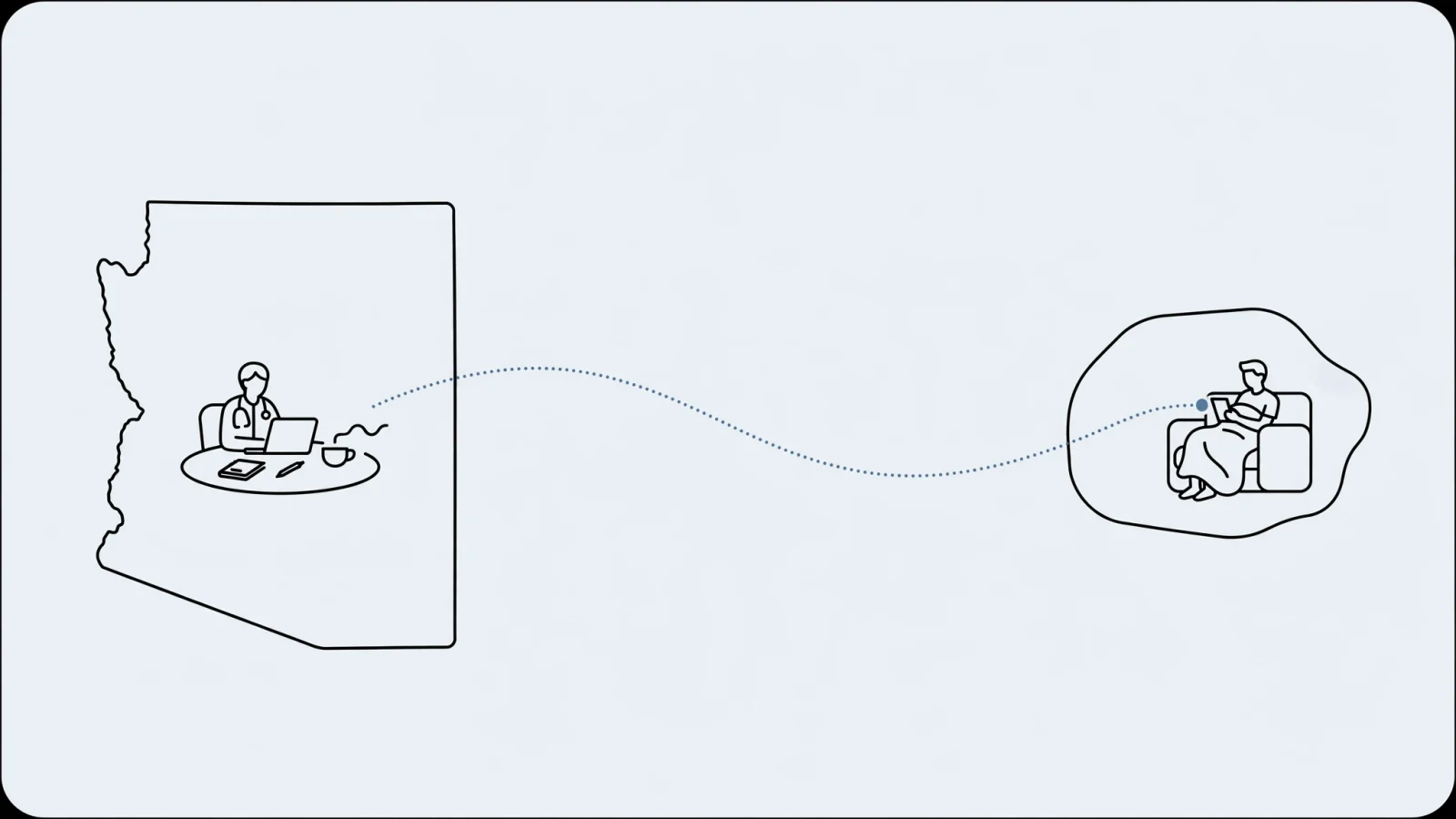
Licensure dictates where you can legally practice, and working from a home office in Arizona does not automatically clear you to see patients anywhere in the country. The regulatory framework depends heavily on where the patient sits during the encounter and the specific rules governing your clinical profession.
Treating patients located in Arizona
Arizona's interstate telehealth statute allows providers who aren't licensed in the state to treat people there by telehealth if they meet its requirements, including following Arizona's applicable laws and professional standards of care. The Arizona Revised Statutes set out a registration framework for these providers, with exceptions to registration requirements.
For providers covered by the registration framework, this means registering with the applicable Arizona professional board, holding a substantially similar and valid license in another state, carrying appropriate professional liability coverage, appointing an Arizona statutory agent, and submitting annual reports. The law also outlines defined exceptions for specific consultation, after-care, and low-encounter situations. Because professional boards manage these registrations, check the current procedures and exact requirements with your specific licensing authority.
Serving patients in other states
Many remote healthcare roles expect you to treat a regional or national patient panel. Medical practice generally occurs where the patient is located, meaning a physician residing in Arizona must hold an active license for every state where their telehealth patients live.
To streamline this process, physicians can utilize the Interstate Medical Licensure Compact, which offers an expedited pathway to obtain licenses in participating member states. This compact reduces the administrative friction of applying to multiple medical boards, but it does not exempt you from following the distinct medical practice acts, continuing education rules, and regulatory standards of each state where you hold a license. Employers building a national telehealth presence often require candidates to already possess licenses in specific high-volume states, or they may require you to obtain them rapidly upon hire.
Check the rules for your profession
Licensing pathways differ by profession. Registered nurses and licensed practical nurses operate under a different framework than physicians. The Arizona Board of Nursing participates in the Nurse Licensure Compact. Eligible nurses who declare Arizona as their primary state of residence can obtain a multistate license, granting them the privilege to practice physically or via telehealth in other participating compact states.
Check your eligibility for a multistate license and whether your employer's target patient populations reside within the compact footprint. If a remote nursing role involves triaging patients in a non-compact state, you will still need to apply for a single-state license in that jurisdiction. Advanced practice registered nurses face a more fragmented regulatory map, meaning remote NPs often maintain multiple single-state licenses to cover regional patient panels.
Comparing pay for remote healthcare jobs
Compensation structures for remote clinical work vary widely, making direct comparisons difficult. A headline salary figure on a job board rarely tells the whole story. When comparing offers, focus on how the employer calculates pay and what production volume they expect in return.
To ground your expectations, you can reference the May 2025 State Occupational Employment and Wage Estimates from the U.S. Bureau of Labor Statistics. This data provides broad wage estimates across different state and substate geographies. It offers a general baseline for local clinical wages rather than a guaranteed salary range for a specialized remote position.
Remote employers use several different compensation models. Some offer a traditional annual salary tied to a specific full-time equivalent status, requiring a set number of scheduled hours per week. Others pay an hourly rate for time logged into the system. Telehealth platforms frequently utilize per-visit pay, compensating you a flat fee for each completed consultation, which shifts the financial risk of patient no-shows directly onto the clinician. Alternatively, physician and advanced practice roles may rely on a base salary plus productivity bonuses tied to Relative Value Units.
For an accurate comparison, ask about expected hours, the formula used for productivity metrics, the target patient panel size, and how the employer accounts for administrative documentation time. Then factor in the value of the benefits package, including whether the employer pays for required state licenses, credentialing fees, home office equipment, and malpractice insurance, including tail coverage.
WeekdayDoc assists with this evaluation by providing disclosed compensation data. Depending on the listing, you can view salary details, market-percentile comparisons, and dollar-per-RVU context. This transparency allows you to measure an offer against the broader market and assess whether the required workload justifies the compensation.
Evaluating the sustainability of remote roles
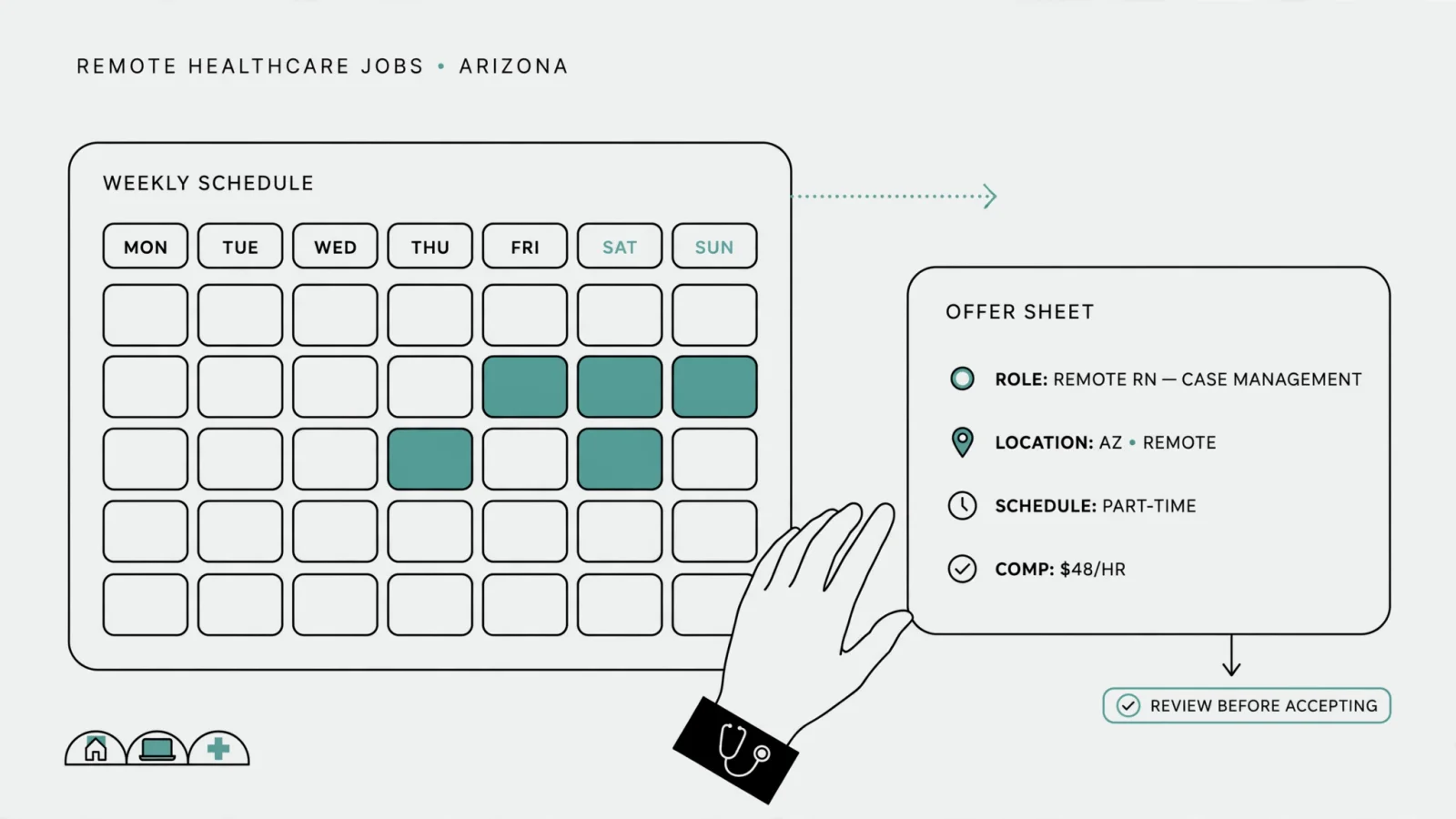
Trading a hospital commute for a home office eliminates physical travel, but it does not automatically resolve clinical burnout. A role's sustainability depends on its daily workflow, so look closely at whether its demands fit the balance you need.
Start with scheduling expectations. Clarify the required coverage hours and how the employer handles time zones. If you work from Arizona for an East Coast health system, you might face mandatory staff meetings at 5:00 AM local time. Check whether the role requires evening, night, or weekend coverage, because a position advertised as flexible might still mandate participation in an aggressive on-call rotation.
Clinical workload matters too, since high visit volumes and unrealistic productivity targets can cause stress in telehealth environments. Ask about daily caseload expectations, the allotted time for each patient encounter, and how the organization manages the clinical inbox. Responding to patient portal messages, handling prescription refill requests, and reviewing lab results can consume hours of uncompensated time if the employer does not structure the schedule to accommodate administrative tasks.
Your daily experience also depends on autonomy and technical support. Consider how much control you have over your schedule blocks and whether you can easily reserve time for personal appointments. Check that the employer provides technical support, a secure virtual private network, and reliable clinical hardware. Frequent software crashes during live patient visits can add frustration.
WeekdayDoc addresses these concerns by assigning a 0-to-10 work-life or burnout score to its job listings, evaluating structural factors like call coverage, night and weekend expectations, schedule flexibility, autonomy, and administrative burden. While it cannot guarantee your individual experience, the score serves as a concrete comparison aid, helping you identify roles that prioritize sustainable workloads over high-friction environments. Organizations looking to attract top talent use a transparent healthcare recruitment strategy to highlight these sustainable schedule features upfront.
Finding and vetting Arizona-eligible roles
Identifying open positions is only the first step; confirming that the job aligns with your licensing, schedule, and financial requirements takes careful vetting. Search terms surface potential leads, but the employer's specific operational rules determine whether the job is a realistic fit.
Search by profession, location, and work type
WeekdayDoc operates as a marketplace for sustainable healthcare careers, where you can find roles tailored to your specific needs. Navigate to the remote job search and filter the results for remote healthcare jobs in Arizona, your specific clinical profession, your medical specialty, and your preferred work arrangement.
Conducting targeted searches yields the best results. Look specifically for telehealth physician openings, remote RN roles, remote nurse practitioner jobs, or remote behavioral-health positions. Review the integrated data on each listing, paying close attention to the work-life scores and the visible call, weekend, and night expectations.
Questions to resolve before applying or signing
Before applying or signing an employment agreement, use these questions to clarify the role's parameters.
- Licensure and location: Which patient states does this role cover, and does the employer cover the cost and administrative work of obtaining new licenses?
- Work arrangement: Is this position fully remote, or does it require periodic travel, field visits, or in-person clinic days?
- Schedule and coverage: What are the exact expected hours, and what are the obligations for on-call, night, and weekend coverage?
- Compensation and workload: Is pay based on salary, hourly rates, or per-visit metrics, and what happens if patient volume drops?
- Benefits and costs: Does the employer provide hardware, secure network access, and malpractice insurance?
When you move into the offer stage, WeekdayDoc provides tools to protect your interests. The platform offers paid alerts to keep you updated on new roles, alongside negotiation scripts to help you advocate for fair compensation. You can also utilize the AI contract scanner, which accepts PDF, DOCX, TXT, or pasted text to highlight critical contract elements like restrictive non-competes, payback clauses, and tail coverage responsibilities. While the tool does not replace professional legal counsel, it identifies major structural risks, helping you understand the long-term implications of the agreement before you sign.
Find a remote clinical role that respects your time and expertise. Search opportunities, compare burnout scores, and review compensation data at WeekdayDoc.