Nurse Practitioner Contract Negotiation Guide
Negotiate an NP contract with practical guidance on scope, supervision, workload, pay, call, schedule control, malpractice, and exit terms.

The best employment agreement does not necessarily offer the highest starting salary, because it also defines clinical scope, workload, schedule control, risk allocation, and the financial consequences of leaving. Effective nurse practitioner contract negotiation means looking past the offer letter to understand whether the role is sustainable in practice.
Before structuring a counteroffer, request the full employment or independent contractor agreement alongside the compensation plan, bonus exhibits, and detailed call policy. You will also want the benefits summary, the malpractice declarations page, any required supervision agreement, and the specific terms for sign-on bonus repayment. An interview promise carries no weight unless it appears in the contract, an exhibit, or a written addendum, so document every expectation. Reviewing these documents helps evaluate patient-facing versus administrative hours, practice site requirements, call obligations, and tail coverage before you sign.
Comparing roles requires context. WeekdayDoc helps you evaluate comparable NP listings by specialty, location, practice setting, and remote status, allowing you to review salary information and RVU benchmarks alongside structured work-life factors. Understanding these elements clarifies which terms require pushback. A Nurse Practitioner Work-Life Balance by Setting analysis shows how varying environments change the value of the same base salary.

Define Scope, Supervision, and Clinical Backup
A strong contract identifies the specialty, patient population, and age range you will treat, while specifying the exact balance of in-person and telehealth duties. It details expected procedures, prescribing responsibilities, hospital rounds, admissions, consults, and discharge work. You also need clarity on cross-coverage, travel between facilities, teaching, and committee work. Broad "other duties as assigned" language poses a risk, making it wise to request a defined scope limit, a distinct compensation mechanism, or a schedule review trigger.
State practice environments vary by jurisdiction. The American Association of Nurse Practitioners State Practice Environment map categorizes jurisdictions into full, reduced, and restricted practice environments. It provides an overview, so review the applicable state laws, regulations, and practice information for details.
Telehealth assignments add regulatory complexity because requirements differ across jurisdictions for cross-border care. The National Council of State Boards of Nursing APRN Consensus Model notes that APRNs providing care across state borders, including virtually, must meet the regulatory requirements of the state where the patient is located when care is provided. For new-state expansion, clarify how those requirements will be met.
Distinguish state-required supervision or collaboration from employer-required physician consultation and ordinary clinical backup. Your agreement should identify the supervising or collaborating physician, outline who covers their absences, and set an expected response time. Establish whether chart review or on-site presence is required, and confirm who pays related fees or replaces the physician if they depart.
If the employer references incident-to billing, treat it as a Medicare reimbursement structure and review clinical scope separately. The Centers for Medicare & Medicaid Services details specific conditions for incident-to services involving nonphysician practitioners and auxiliary personnel, including compliance with applicable state law, supervision requirements, and the rule that only the supervising physician or other listed practitioner may bill. Review those billing conditions alongside the applicable state requirements.
Negotiate Panel Size and Productivity Pay
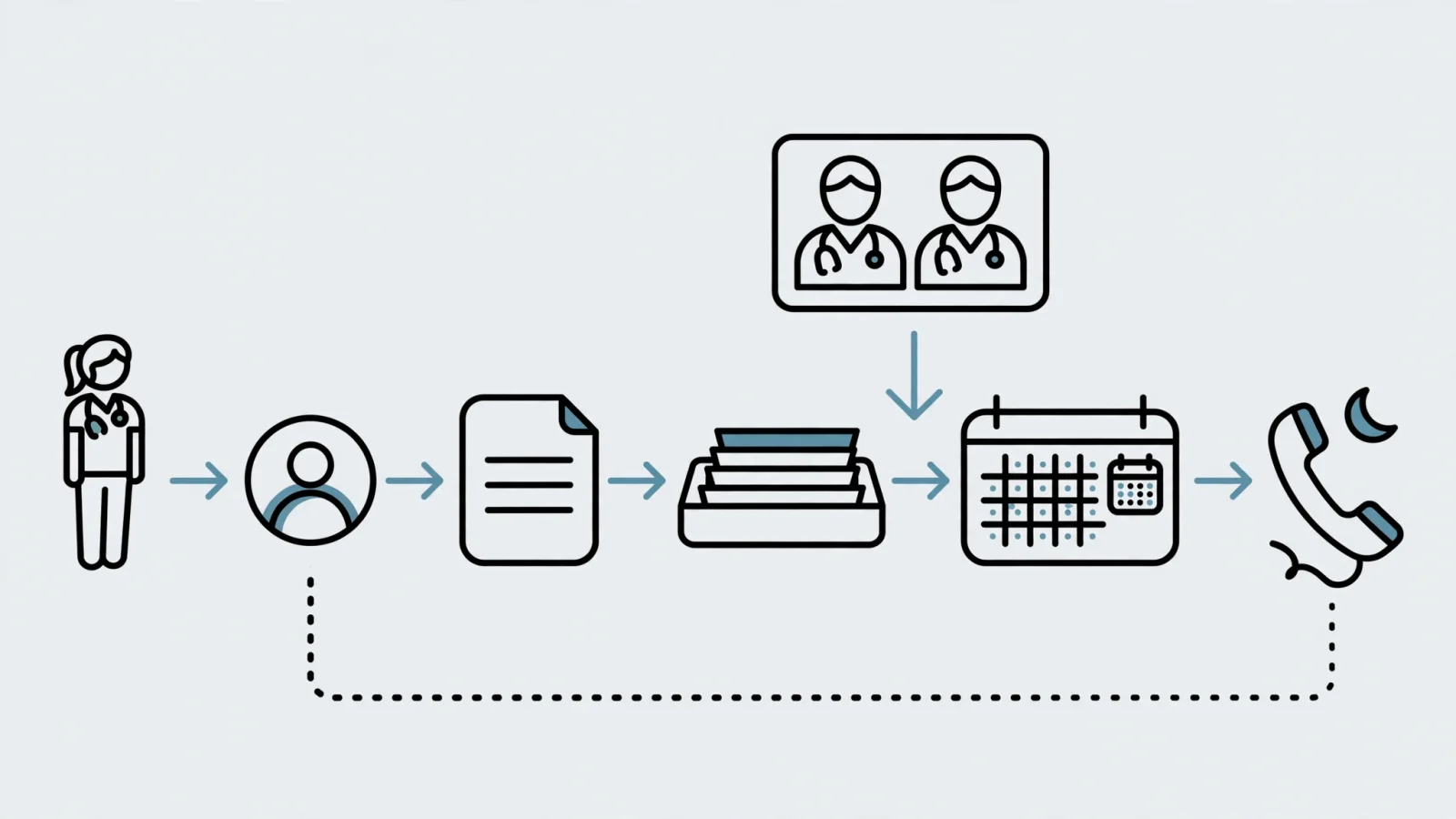
Treat panel size as a holistic workload system instead of a standalone metric. The contract should define whether the panel includes all patients ever seen, active patients seen within a specified period, insurer-attributed patients, or people managed by a broader care team. You will want to establish whether the stated number operates as a cap, a target, or a baseline productivity threshold.
Pair this panel expectation with visit lengths, new-patient volume, and overall patient acuity to get a realistic picture of your day. This calculation includes same-day appointment expectations, inbox messages, portal queries, refills, test results, and prior authorizations. Care coordination, facility paperwork, documentation time, support staff assumptions, and coverage duties for absent clinicians also impact your capacity. Because these variables fluctuate, a sustainable NP panel size depends heavily on specialty, acuity, visit length, staffing, and care model context.
Evaluate salary offers against specific market evidence. The U.S. Bureau of Labor Statistics reports a $132,300 national median annual NP wage, providing a general snapshot for initial comparison. Adjust your specific expectations based on geography, specialty, experience, work setting, call burdens, benefits, malpractice coverage, and total hours worked.
Variable compensation models require clear, auditable terms. Employers calculate productivity using work relative value units, total RVUs, patient visits, collections, net revenue, quality metrics, or blended formulas, meaning you need to know the exact metric applied. Ask for the benchmark source and year, the conversion factor, and the required threshold. Clarify any negative carryforward or draw repayment terms, how the practice treats no-shows and denials, and the impact of employer coding decisions on your payer mix. The formula should credit inbox and administrative work, while the contract outlines calculation frequency, audit rights, post-termination true-up processes, and protections against unilateral plan changes.
Calculate the role's effective value by dividing compensation by actual time spent. An annual $130,000 guaranteed compensation divided by 2,000 total work hours equals $65 per hour. However, that same $130,000 divided by 2,250 hours, after factoring in 250 hours of unpaid documentation, patient messages, and call coverage, drops the rate to roughly $57.78 per hour.
Put Call and Schedule Control in Writing
Vague phrasing like "call as needed" leaves you vulnerable to overwork. The agreement should define weeknight, weekend, and holiday frequency, specifying in-house versus home call and distinguishing phone-only coverage from clinical reporting obligations. Establish required response times, callback duties, admissions, hospital rounds, and emergency visits in the text. Address backup coverage, call trade rules, and maximum consecutive periods, while clarifying whether call is paid through a stipend, an hourly rate, or compensatory time. Determine if activated call hours count toward productivity expectations and whether management can assign you another clinician's call.
A sustainable schedule separates patient-facing hours from documentation, meetings, travel, telehealth blocks, and inbox work. Aim to secure guaranteed hours, a protected lunch period, and dedicated administrative time. Find out who controls appointment lengths and whether the employer can overbook your template without approval, which directly affects your daily pacing. Clear expectations for after-hours charting, mandatory evenings, weekend shifts, and messages on days off prevent scope creep. You can provide starting-point language requesting written clinical hours, designated work locations, and formal notice for material schedule changes, alongside clarifying whether the role permits moonlighting.
Evaluate the lived week alongside the salary offer. WeekdayDoc helps you compare listings by visible call, nights, weekends, flexibility, autonomy, and administrative burden. A lower salary often holds higher functional value when it eliminates overnight call, long travel, or substantial unpaid inbox work. Conversely, a higher salary loses its appeal if it depends on extended hours, unpredictable coverage, and limited schedule control.
Protect Malpractice Coverage and Benefits
Malpractice coverage types affect your financial liability after you leave a role. The American Association of Nurse Practitioners notes that most employers provide claims-made policies, creating an extended reporting or tail obligation upon a job change.
Request the carrier name, coverage limits, retroactive or prior-acts date, and the policy declarations page during negotiations. The contract should confirm written responsibility for tail coverage if you resign, face termination, retire, or if the practice closes or changes insurance carriers. Check whether coverage includes telehealth across state lines, moonlighting, volunteer work, licensing board defense, credentialing disputes, and attorney fees, as many employer policies exclude these external exposures.
Request occurrence coverage, employer-paid tail, or employer-paid prior-acts coverage when moving from a previous claims-made policy. Establish a clear deadline for obtaining the required coverage in the agreement. If the employer refuses to cover tail costs, similar to the dynamics outlined in Physician Tail Coverage: Who Pays, How It Works, factor that future expense into your current salary requirements.
Value benefits and role-related costs explicitly by expanding your compensation review to health insurance, retirement contributions, and paid time off. Evaluate allowances for continuing education, licensure and certification fees, credentialing, DEA or state registration costs, and travel reimbursement. Employer-paid benefits and malpractice risk belong directly in your total value calculation.
Read Termination and Repayment Clauses Together
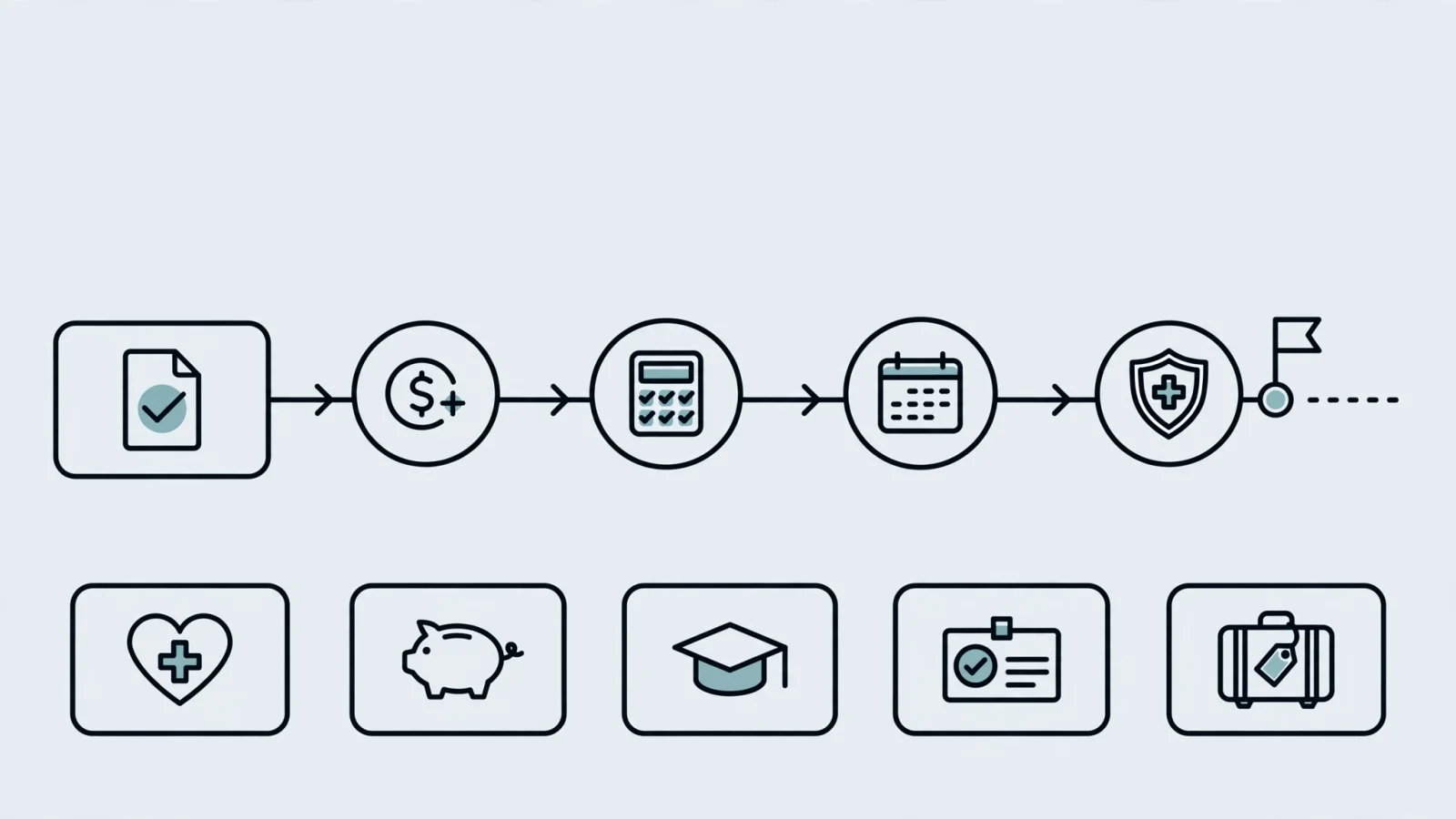
Termination language connects directly to productivity, malpractice, PTO, sign-on bonuses, restrictive covenants, and patient transition duties. Review the initial contract term, the renewal process, and the specific conditions for termination with or without cause. Pay attention to notice periods, cure rights, and immediate termination triggers related to licensing or credentialing. The text should define the final salary payment, PTO treatment, patient notification procedures, records access, and post-employment responsibilities.
Set a clear deadline and calculation method for earned but unpaid bonuses, RVUs, collections, and quality payments. Work performed before termination but posted to the ledger later still warrants compensation. Protect this earned pay by eliminating language that forfeits bonuses if you are no longer employed on the payout date.
Review sign-on, relocation, and training repayment clauses carefully. Favor pro-rata treatment and exceptions when the employer terminates without cause, materially changes the role, closes the practice site, or breaches the agreement. State laws govern these provisions, making local legal review a smart protective step.
Identify non-solicitation, non-disparagement, arbitration, and other post-employment restrictions before signing. Discuss whether the employer can alter the schedule, worksite, patient population, or duties prior to termination, and establish whether a material change triggers a review process or an immediate exit right without penalty.
Turn the Review Into a Written Counteroffer
Replacing vague terms with precise language strengthens your position. Draft short scripts for scope expansion, supervision coverage, panel assumptions, productivity data access, call frequency, protected schedule time, and termination repayment. Use them as starting points for an open discussion.
Negotiation Scripts
- Scope: "Please specify the patient population, clinical services, procedures, and administrative responsibilities included in this role. Any material expansion should be subject to mutual written agreement and a compensation review."
- Supervision: "Please identify whether physician supervision is required by state law or internal policy. I would also like the agreement to identify coverage, response-time expectations, and the replacement process if the designated physician becomes unavailable."
- Panel and Support: "Can we define the active patient panel, expected new-patient volume, visit lengths, support staff assumptions, and the review process if patient acuity changes?"
- Call Frequency: "Please specify the frequency of weekday, weekend, and holiday call; expected response times; backup coverage; and the specific compensation or time-off mechanism."
- Tail Coverage: "Because the proposed coverage is claims-made, please state who pays for tail coverage upon resignation, termination, practice closure, or retirement."
Convert red flags into immediate counteroffer prompts. Challenge undefined call, uncapped panels, broad other-duties language, supervision without backup, and employer-controlled schedule changes. A strong counteroffer addresses full-time work lacking stated hours, changeable productivity formulas, hidden bonus data, and claims-made coverage without a tail commitment. You can also push back on missing exhibits, telehealth duties involving states with unconfirmed licensure, and sign-on repayment provisions that apply regardless of who ends the relationship.
Compare offers on total value, then use this framework to evaluate your options:
| Category | What to Compare |
|---|---|
| Guaranteed Compensation | Base salary, hourly rate, guaranteed ramp, signing or relocation bonus |
| Variable Compensation | RVUs, visits, collections, quality metrics, thresholds, true-up |
| Total Work Time | Clinical hours, admin time, documentation, call, travel, messages |
| Scope and Autonomy | State authority, employer restrictions, supervision, procedures |
| Panel and Workload | Active panel, visits per day, acuity, support staff, inbox volume |
| Schedule Quality | Nights, weekends, holidays, control over templates, telehealth, location |
| Risk Allocation | Malpractice type, tail, board defense, credentialing responsibility |
| Exit Economics | Notice, termination, repayment, bonus timing, restrictions |
| Benefits | PTO, health insurance, retirement, CE, licensure, certification fees |
| Sustainability | Burnout risk, administrative burden, autonomy, predictability |
Calculate an estimated effective value using this formula: (guaranteed compensation + realistic bonus + employer-paid benefits - employee-paid role costs) divided by total expected work hours.
Search comparable roles on WeekdayDoc to review salary and dollar-per-RVU information, inspect work-life factors, and ground your negotiation in verifiable market data. You can upload your offer or contract in PDF, DOCX, TXT, or pasted text to the platform's contract scanner to flag provisions such as tail coverage, non-competes, and payback clauses. Always secure state-specific legal review before signing a finalized agreement.
Frequently Asked Questions
What should a nurse practitioner negotiate in an employment contract?
A nurse practitioner negotiating an employment contract should focus on clinical scope, supervision structures, patient volume, panel size, the productivity formula, call expectations, schedule control, malpractice coverage, tail responsibility, benefits, termination clauses, repayment obligations, and post-departure restrictions.
How do nurse practitioners negotiate salary?
Apply benchmarks specific to location, specialty, experience, and setting. Adjust the requested figure based on call volume, patient acuity, administrative work, benefits, malpractice coverage, and expected total hours. National figures help inform the discussion while local data refines the exact offer target.
Should an NP be paid extra for call?
The contract should clearly state call frequency, activation expectations, in-person duties, and the associated compensation or compensatory time. Call duties warrant specific terms rather than relying on an undefined "as needed" standard.
What is a reasonable patient panel size for an NP?
Since no single number applies universally across specialties and care models, determining a reasonable panel size requires contextual data. Define the active panel, patient acuity, visit length, new-patient volume, support staffing, inbox work, and administrative responsibilities to determine a sustainable workload.
Who pays malpractice tail coverage for an NP?
The contract must specify this responsibility. When the employer utilizes a claims-made insurance policy, negotiate for employer-paid extended reporting-period coverage to avoid bearing the cost upon departure.
Can an employer require supervision in a full-practice state?
Employers may establish internal consultation or oversight policies independent of state regulations. Distinguish those internal policies from statutory requirements and confirm the applicable state rules before agreeing to supervisory terms.
What happens to an NP’s bonus after termination?
The contract should state exactly how and when earned bonuses, RVUs, collections, or other variable compensation are calculated and paid after employment ends.
Are nurse practitioner contracts negotiable?
Many terms remain negotiable even when an employer uses a standard template. If the employer refuses to change the main form, request a written addendum, a side letter, a compensation exhibit, or a scheduled contract review period.
Find roles with visible call schedules, transparent work-life scores, and clear compensation structures. Search jobs and compare terms on WeekdayDoc.