Remote Physician Jobs: Roles, Pay, and Licensing
Explore remote physician jobs by role, licensure, pay model, workload, and schedule—from telehealth to review, leadership, and informatics.
The label "remote" describes where you sit rather than how much you work. While remote physician jobs suggest a clean break from hospital politics, long commutes, and clinical burnout, location independence only solves the commute. It does not automatically eliminate a heavy patient load, strict schedule quotas, or administrative bloat. Evaluating these roles requires separating where the work happens from how performance is measured.
WeekdayDoc surfaces these positions across professions, specialties, and work types, and we add structured data to help you evaluate schedule quality before applying. You can filter the marketplace for permanent, locum, part-time, or fully remote roles, though finding a sustainable career path still depends on reading the operational details.
What Remote Physician Jobs Actually Involve
Remote Practice Determines Location Without Guaranteeing Flexibility
Remote work means performing clinical or administrative duties from a home office, which can still involve consecutive twelve-hour shifts, high case-review quotas, and mandatory weekend availability. Employers track productivity closely. Virtual care platforms log exactly when you sign in, how long each video visit lasts, and how much time passes before you close a chart. Working from your own desk does not grant you the freedom to set your own hours unless your employment contract explicitly states that you control your schedule.
Clinical and Nonclinical Roles Both Qualify
Some positions involve direct virtual care, keeping the physician face-to-face with patients on a screen, while other paths remove patient contact entirely. Advanced practice clinicians, including nurse practitioners and physician assistants, and allied health professionals also fill many of these roles, though their credentialing and supervisory requirements vary by state. Filtering listings on WeekdayDoc by location and work type reveals the available options. A software filter can't tell you whether a specific role fits your licensing situation or burnout threshold, so ask the hiring manager how the daily workload is structured.
Types of Remote Physician Jobs
Because job titles alone do not reveal patient contact, volume, or schedule, grouping these positions by the actual work they require helps clarify daily expectations.
Telehealth and Virtual Care
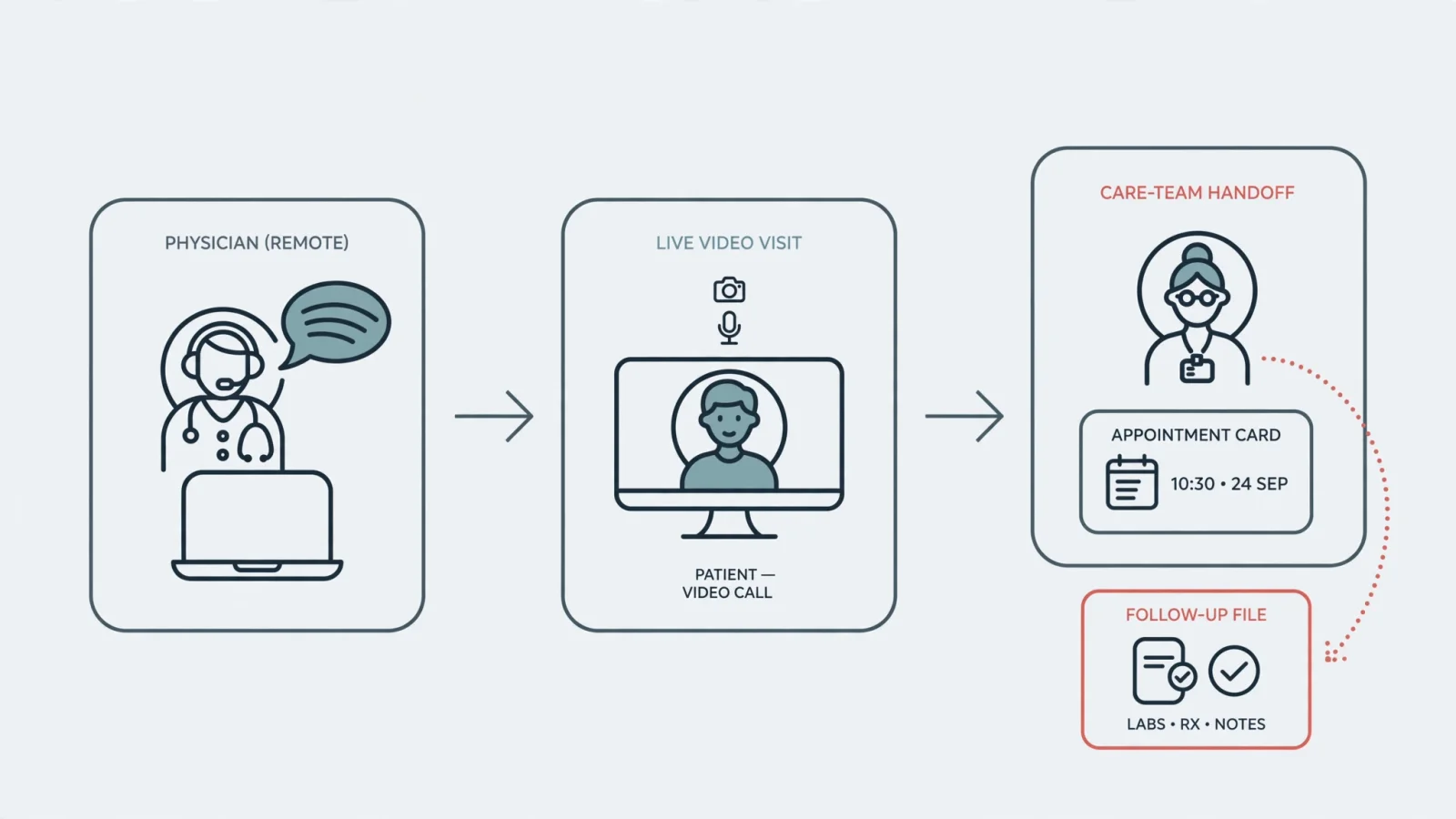
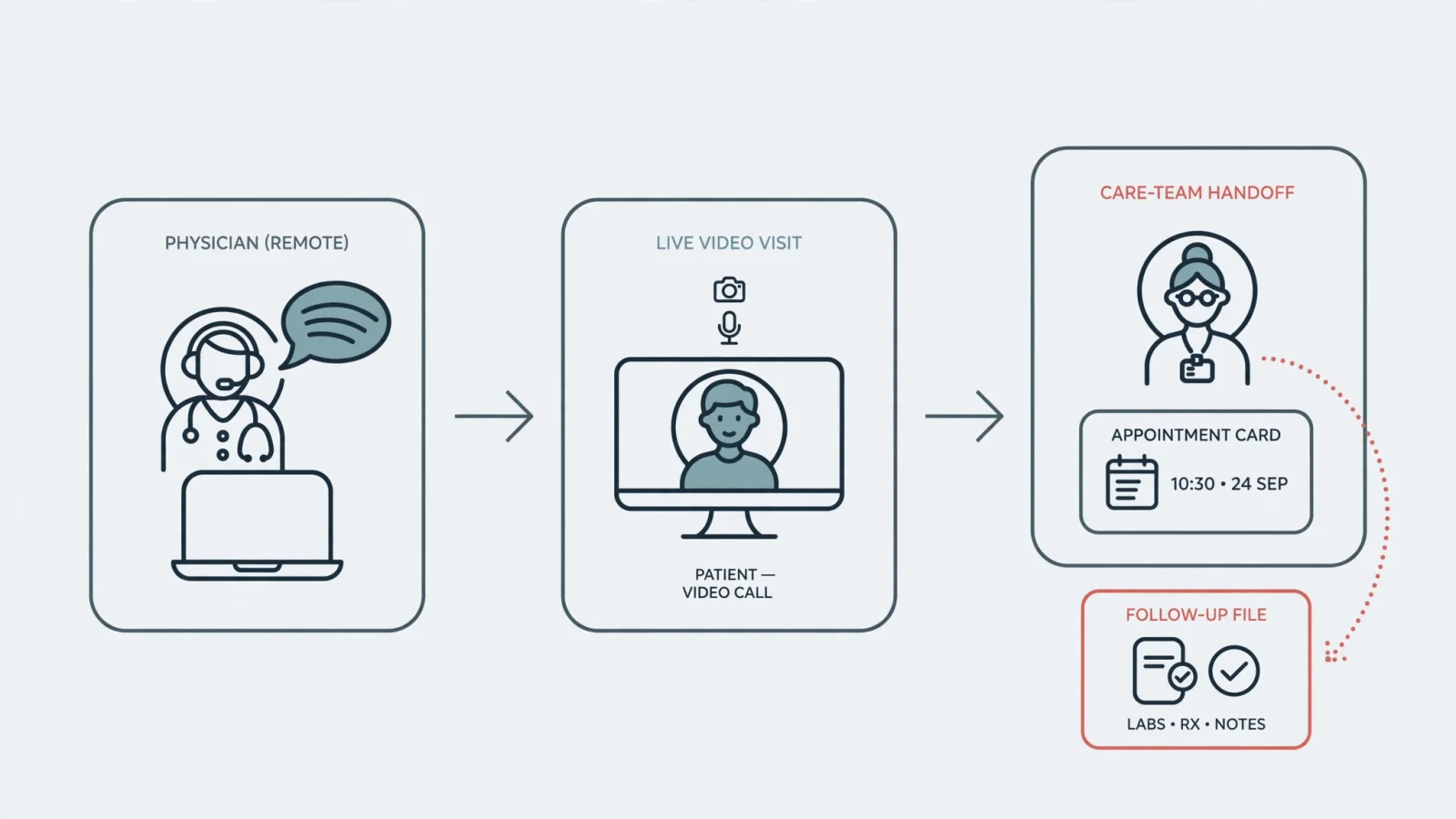
Telehealth physician jobs replace the physical exam room with a video platform, but the clinical responsibility remains identical. Setting up a sustainable virtual care practice involves far more than securing a webcam and an internet connection. The AMA's telehealth integration guidance points out that a successful program requires adapting daily clinical workflows, training support staff, and preparing patients before the visit begins. You need to know who handles scheduling, triage, and technical support when the connection drops. A remote role focused on direct care requires a quiet, HIPAA-compliant workspace alongside a willingness to manage clinical risk without the ability to perform a physical exam.
Utilization Management and Physician Review
Insurance companies and independent review organizations hire physicians to evaluate medical necessity, handle appeals, and conduct peer-to-peer discussions. Remote physician reviewer jobs focus on chart data rather than direct patient interaction, meaning you spend your shifts evaluating experimental treatments against established guidelines and speaking with attending physicians about complex admissions. Case volume drives this work, and reviewers face turnaround targets that often require rapid decision-making. We detail these specific pressures and daily expectations in our guide to Remote Chart Review Physician Jobs Compared.
Informatics, Medical Leadership, and Medical Affairs
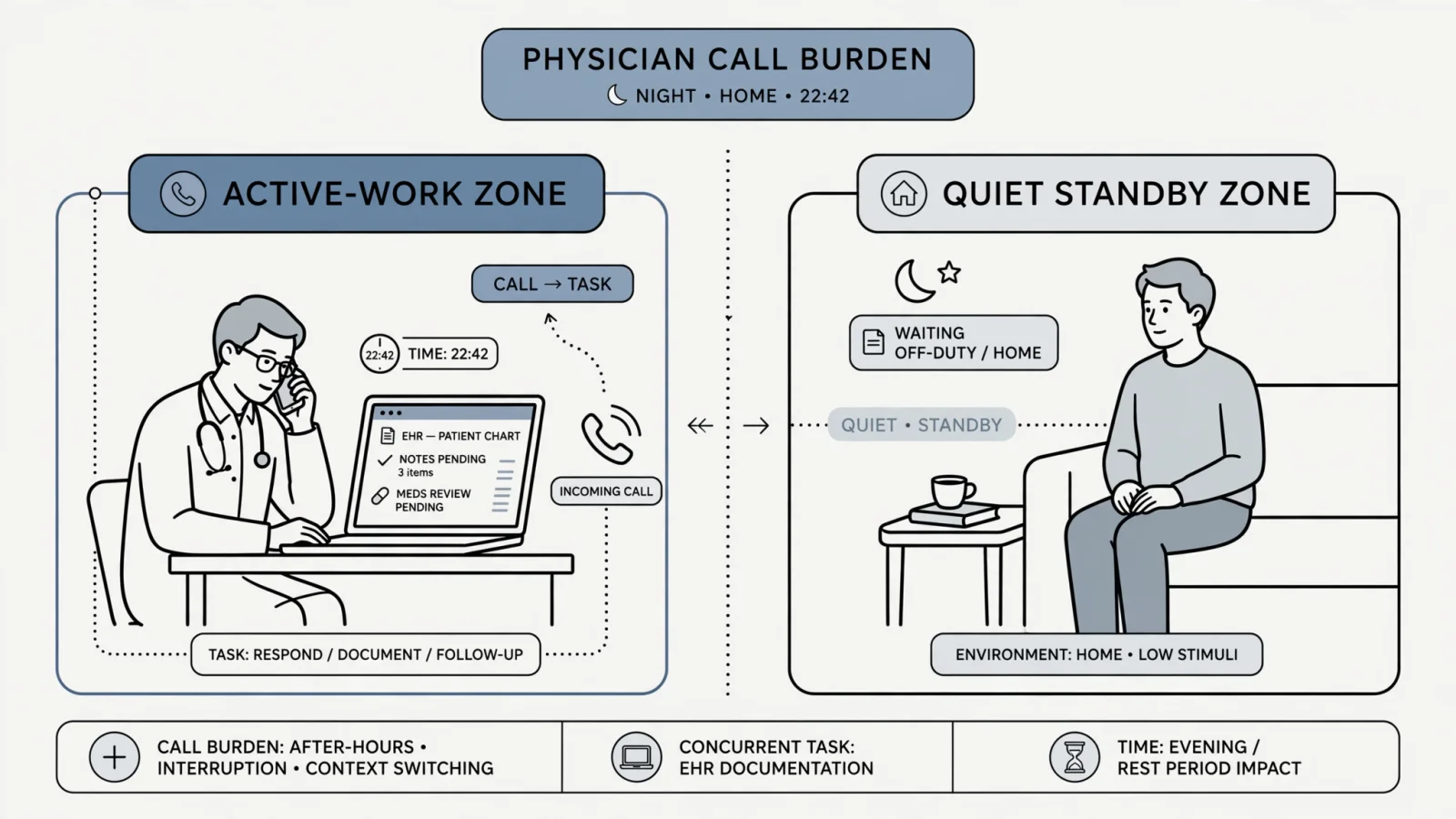
Clinical informatics roles blend medical expertise with technology, which often involves optimizing electronic health records, designing clinical decision-support tools, and aligning clinical needs with software development. Medical director roles center on quality oversight, clinical operations, and policy creation, while industry and medical affairs positions focus on scientific communication or research. These nonclinical remote physician jobs often carry hybrid expectations. For example, a recent UPMC listing for a remote utilization-management medical director required standard weekday hours plus after-hours consultation availability. The title stated the role was remote, yet the schedule still included call.
How State Licensure Affects Remote Practice
The Impact of Patient Location
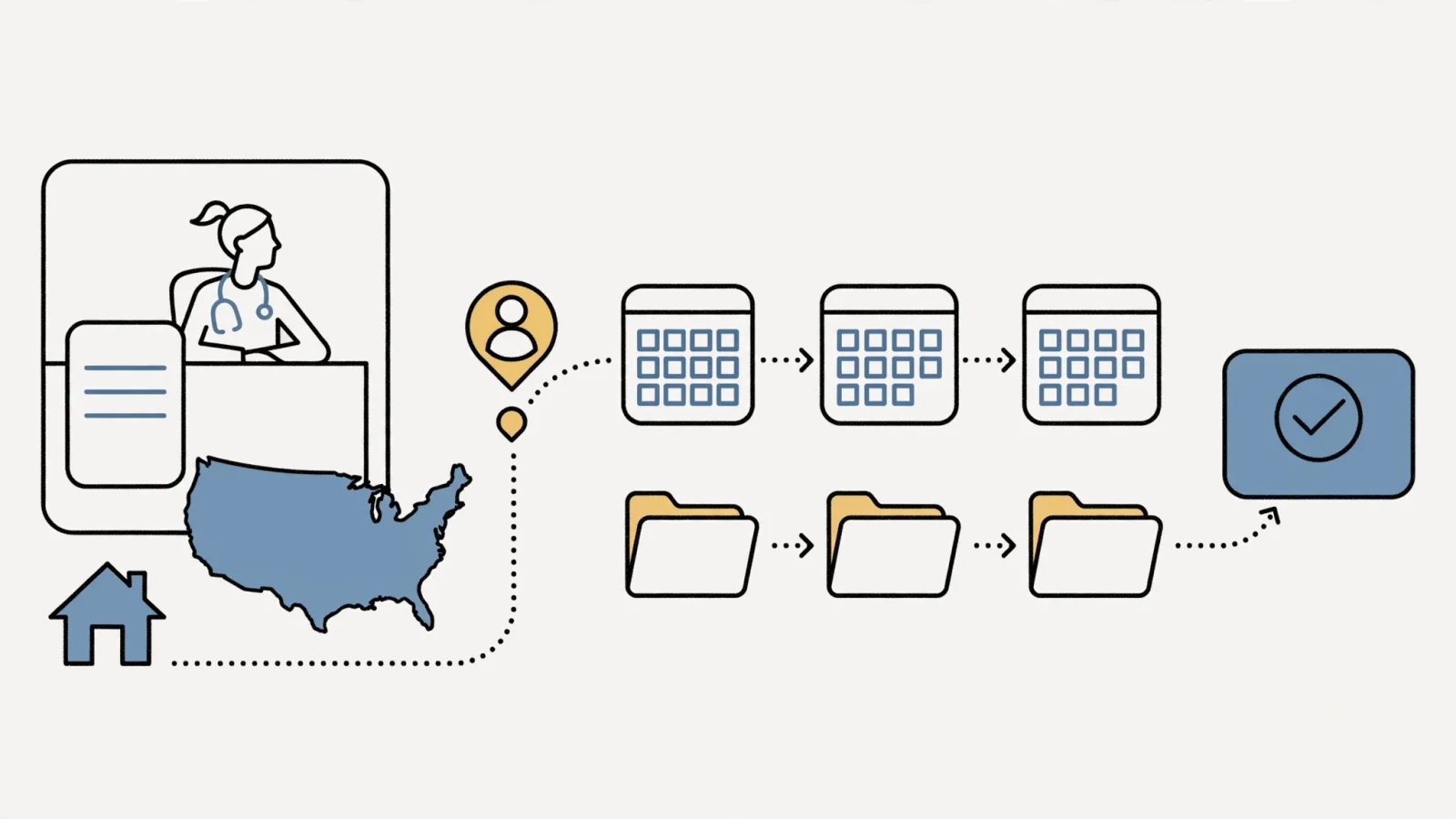
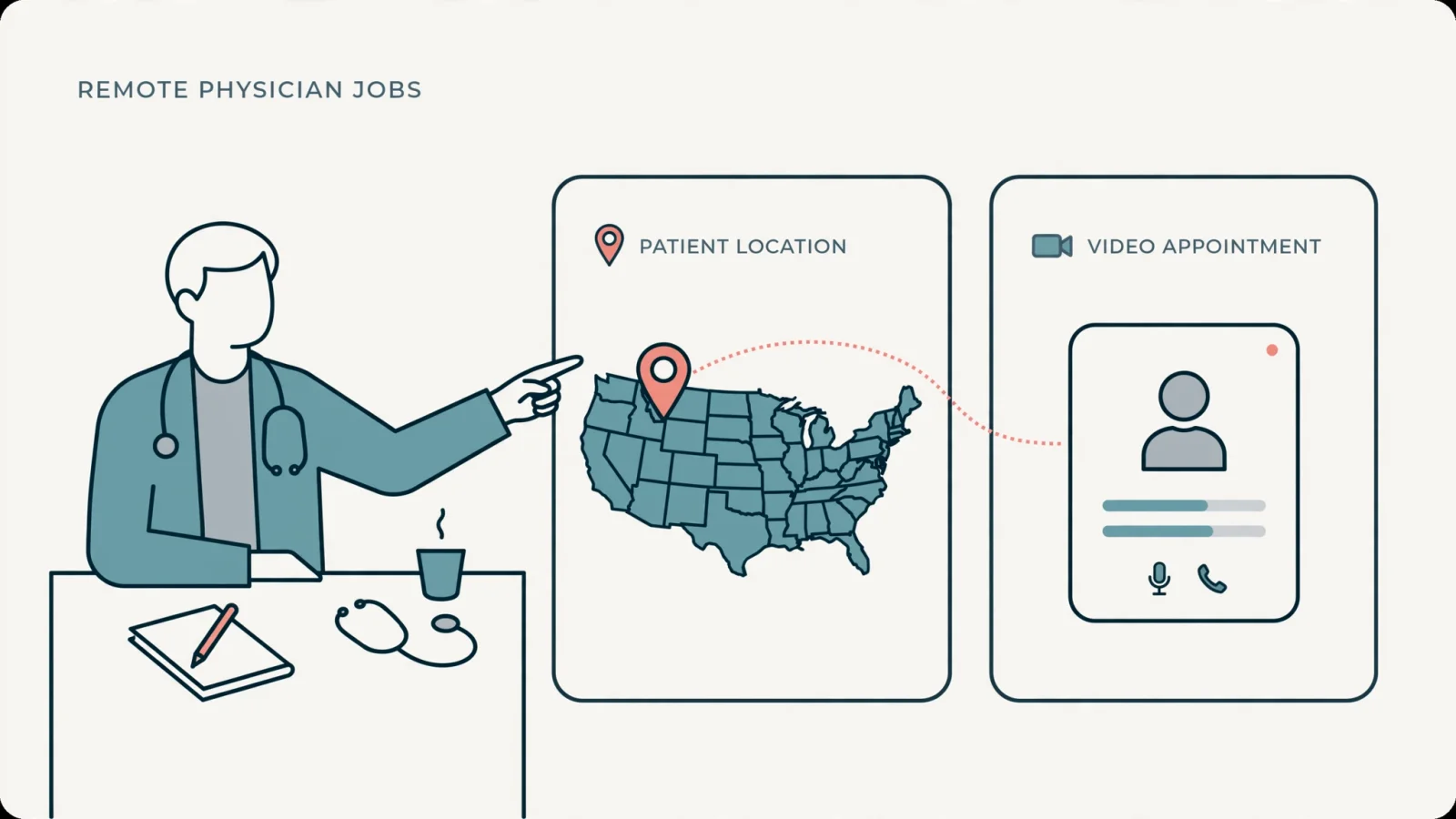
Moving your practice to a home office does not remove state licensure requirements. HHS guidelines on licensure say health professionals must meet the licensure requirements of the state where they are located and be licensed or legally permitted to practice in the state where the patient is located. So a clinician treating a patient in Texas from New York needs legal authorization to practice in Texas.
Verify States, Licenses, and Employer Support
Treating a regional or national population requires maintaining active credentials in every state those patients might log in from, and pathways differ widely across the country. Some jurisdictions demand full traditional licensure, while others offer temporary practice provisions, reciprocity agreements, or telehealth-specific registrations. Interstate compacts exist, but they are profession-specific and do not provide universal national access for all clinicians.
Before applying, ask potential employers which states they serve and which licenses you'll need. Find out who pays the application fees, handles the renewal paperwork, and covers ongoing credentialing costs. Ask how the organization manages a patient who travels across state lines for a winter vacation, since treating them in their temporary location without checking local regulations can result in disciplinary action from a state medical board.
Compare Remote Physician Pay and Workload
Compare the Pay Formula and Total Time
Remote compensation models range from flat annual salaries to hourly rates, per-visit fees, and RVU-based productivity structures. A per-case model sounds flexible until low patient volume limits your earnings, forcing you to remain at your desk waiting for the queue to populate to meet your baseline financial needs. Ask about minimum guarantees, performance thresholds, and productivity bonuses.
Calculating your effective hourly pay provides a clearer comparison when you divide your expected compensation by the total time the job requires. Include the minutes spent charting, attending mandatory meetings, answering follow-up messages, and handling administrative training. This math gives you a personal baseline to compare against on-site work, and WeekdayDoc provides salary comparisons, market percentiles, and dollar-per-RVU benchmarks alongside tools for calculating salary-to-FIRE trajectories to help contextualize the offer.
Check the Real Schedule and Job Conditions
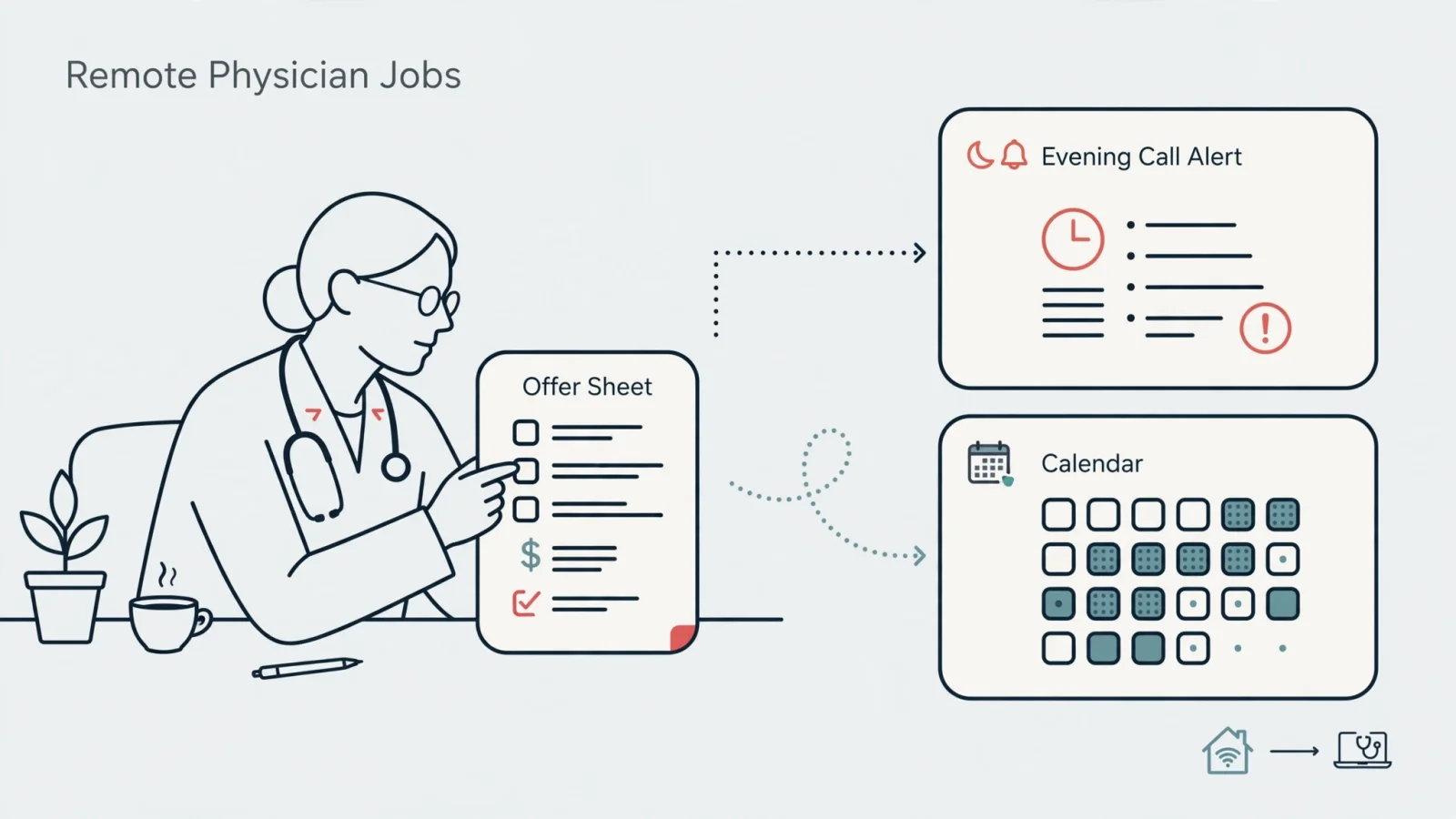
An advertised work-from-home physician job might still expect you to answer messages at night or cover weekend shifts, so determine the required time zones, case quotas, and response-time targets. High burnout risk exists in remote work when companies blur the line between being at home and being on the clock.
WeekdayDoc assigns a 0-to-10 work-life score to each listing, factoring in call coverage, night shifts, weekend expectations, schedule flexibility, autonomy, and administrative burden. Use this score to screen listings before you apply, keeping in mind that a high salary attached to a low work-life score usually indicates heavy on-call duties or overwhelming administrative requirements. The score provides a helpful baseline, though you should still ask the employer how they handle shift overruns and unexpected volume spikes.
Questions to Ask Before Accepting an Offer
Confirm Scope, Volume, and Support
Start by asking the hiring manager about the expected patient mix or the specific scope of chart reviews. Pin down the exact number of visits or cases expected per shift and find out how much blocked time exists for documentation, peer-to-peer calls, and continuing medical education. You should also determine what happens when the video platform fails or a patient requires immediate physical escalation. A remote role without a reliable technical support team forces the physician to act as an IT troubleshooter while trying to practice medicine.
Review the Contract Beyond Salary
Employment agreements shape your day-to-day work and the terms of your departure. The AAFP's physician employment contract guidance covers items physicians need to review, including restrictive covenants, termination provisions, repayment obligations, and renewal terms. Malpractice insurance requires close attention, particularly whether the employer pays for tail coverage when you leave.
To assist with this process, WeekdayDoc provides negotiation scripts and a paid AI contract scanner. When you paste text or upload a document, the scanner flags missing tail coverage, aggressive non-competes, and problematic payback clauses for your review. This highlights potential traps for you to discuss with legal counsel before signing, including a nationwide non-compete clause for a remote role that could lock you out of future telehealth opportunities.
Find Remote Physician Jobs That Fit
Search by Work Type, Specialty, and Location
Finding the right position means looking past a single keyword and using natural search variations to catch different employer naming habits. Some companies post remote doctor jobs, while others list telehealth physician jobs or remote medical director positions. If you want to leave patient care, search specifically for nonclinical remote physician jobs. For technologists, our guide to Remote Clinical Informatics Jobs can help narrow the field and clarify required certifications. Exploring different phrasing ensures you see opportunities that match your daily preferences.
Compare Listings and Set Up Alerts
WeekdayDoc allows you to filter the marketplace by profession, specialty, location, and specific work type. You can describe your background to the platform for AI matching, which pairs your clinical experience with relevant openings, and set up job alerts to see new part-time remote physician jobs or specialized roles as soon as they hit the board. Data analysts, researchers, and physicians transitioning out of practice can also track adjacent career paths, such as those covered in our Remote Healthcare Data Analyst Jobs Guide. Letting the system track new postings saves you from manually repeating the same searches every week.
Remote Physician Jobs FAQ
What Types of Remote Physician Jobs Are Available, and Are They Nonclinical?
Remote roles span telehealth, utilization management, clinical informatics, medical direction, and medical affairs. Some involve direct patient care via video, whereas others are entirely nonclinical and focus on chart review, quality metrics, or technology implementation. Because the job title rarely provides the complete picture, you need to read the operational details to understand the patient contact expectations.
Do Remote Physicians Need a License in Every State Where Patients Are Located?
Yes, federal and state rules require clinicians to hold legal authorization to practice in the state where the patient sits at the time of the appointment. A single medical license does not grant nationwide practice rights, and employers generally require you to hold licenses in their target regions before you begin seeing patients.
Does Remote Mean No Call, and How Should Physicians Compare Pay and Contracts?
Working from home does not guarantee a schedule free of call, nights, or weekends. Evaluate roles by dividing expected pay by all required working hours to find your effective hourly rate. Review employment contracts carefully for tail coverage, non-compete clauses, and repayment obligations before signing, keeping in mind that a remote contract carries the same legal weight and potential career restrictions as an on-site agreement.
Evaluate your next career move with transparent schedules and clear salary benchmarks. Search open roles, compare burnout scores, and set up customized job alerts at WeekdayDoc.