Remote Pharmacist Careers: Roles, Pay, and Work-Life Fit
Explore remote pharmacist roles, broad pay context, licensing requirements, and the schedule questions that help you assess work-life fit.
Working from home changes your physical environment, but it does not guarantee a lighter clinical workload. A remote pharmacist position might involve verifying inpatient medication orders for a rural hospital, evaluating prior authorizations for a national health plan, or counseling patients on complex specialty regimens. Each path demands different clinical skills and imposes unique schedule expectations. Finding a sustainable arrangement means looking past the location label to evaluate the operational demands of the daily work. Before signing a contract, you will want to verify state licensing requirements, evaluate compensation structures, and ask specific questions about shift flexibility. WeekdayDoc helps professionals identify roles that fit their clinical background and lifestyle needs by providing a clear picture of hours, call coverage, and expectations.
Defining the Remote Pharmacist Role
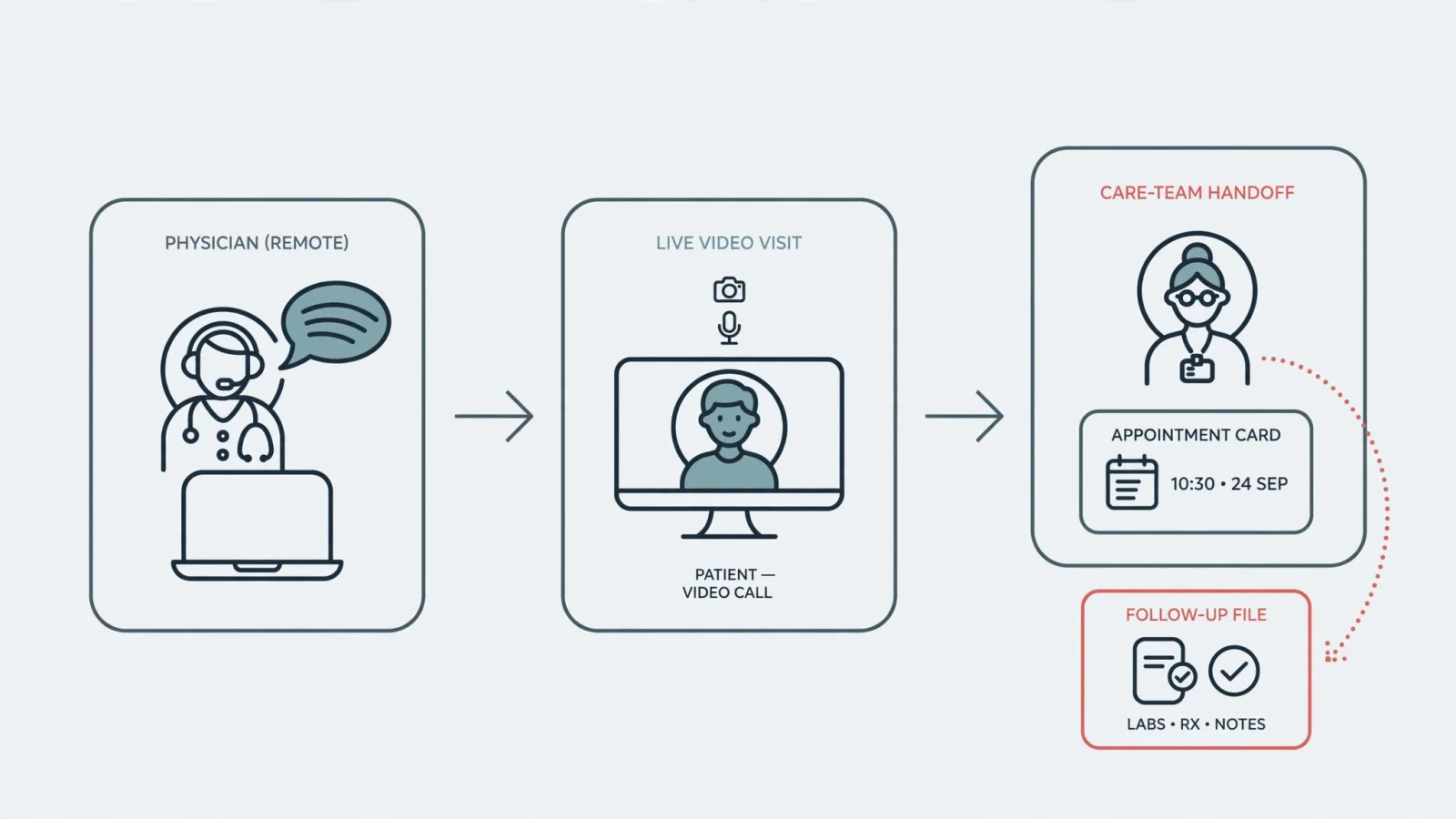
The phrase describes a work setting rather than a single standardized job. Pharmacies, health systems, and managed care organizations hire pharmacists to work from off-site locations, and the daily tasks vary depending on the employer. While one position might require you to spend your shift behind the scenes reviewing medical data, another could involve speaking with patients on video calls back-to-back throughout the day.
Many people treat every work-from-home position as virtual patient care, but the terminology matters when you start searching for specific openings. The American Society of Health-System Pharmacists (ASHP) defines telepharmacy as using telecommunications technology to oversee pharmacy operations or provide patient-care services. Telehealth operates as a broader category encompassing various clinical interactions. You can secure a remote role focused entirely on pharmacy benefits, quality assurance, or clinical review without ever participating in a traditional telehealth visit. Recognizing these distinctions helps you filter job boards effectively to target positions that match your preferred working style.
Matching Remote Pharmacist Roles to Your Experience
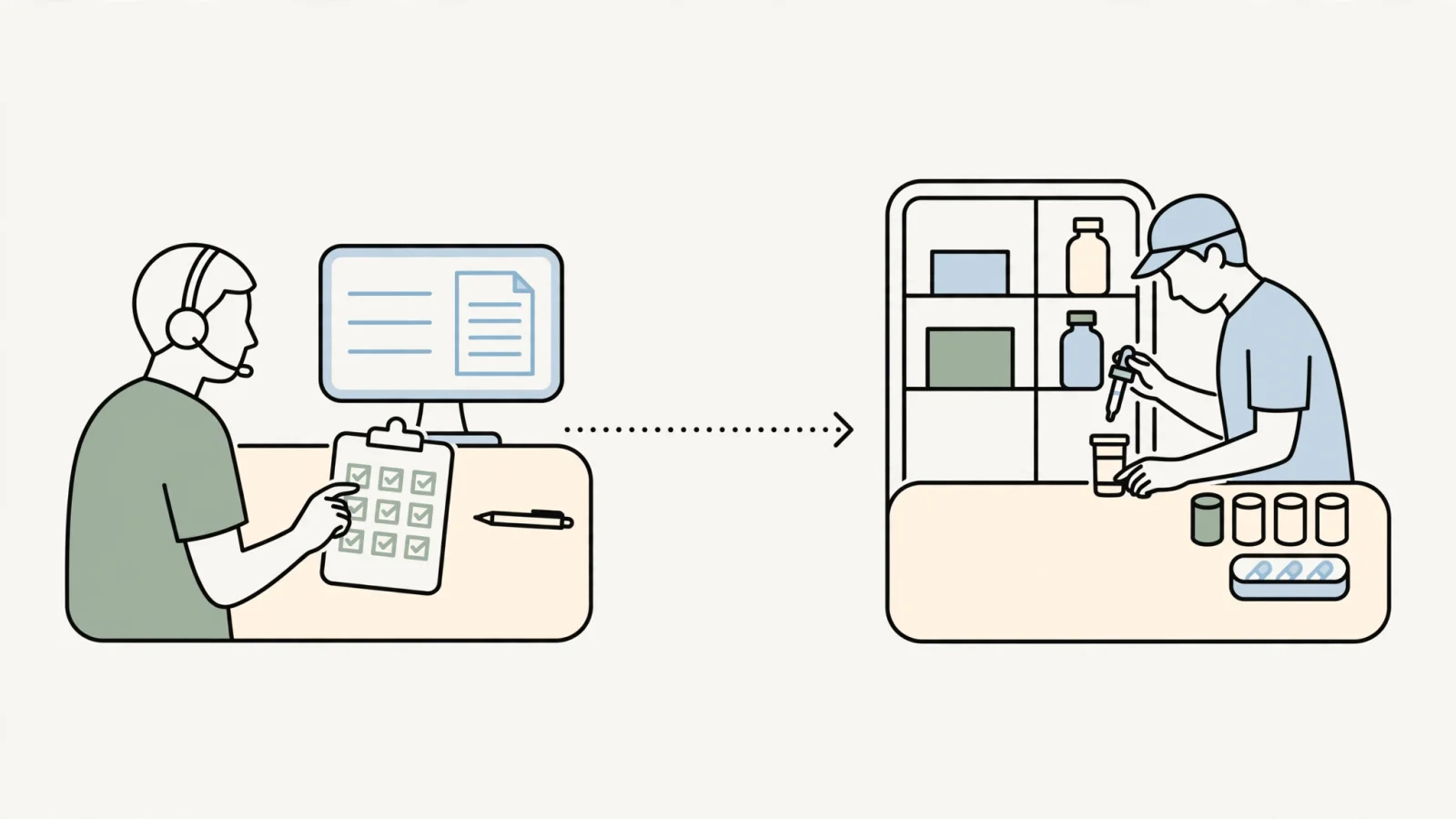
Your clinical background dictates which work-from-home positions align with your technical skills. Transitioning out of a retail or hospital environment requires mapping your current daily tasks to the specific demands of an off-site position, because employers look for candidates who understand the clinical context of the work regardless of their physical location.
Telepharmacy and Health-System Operations
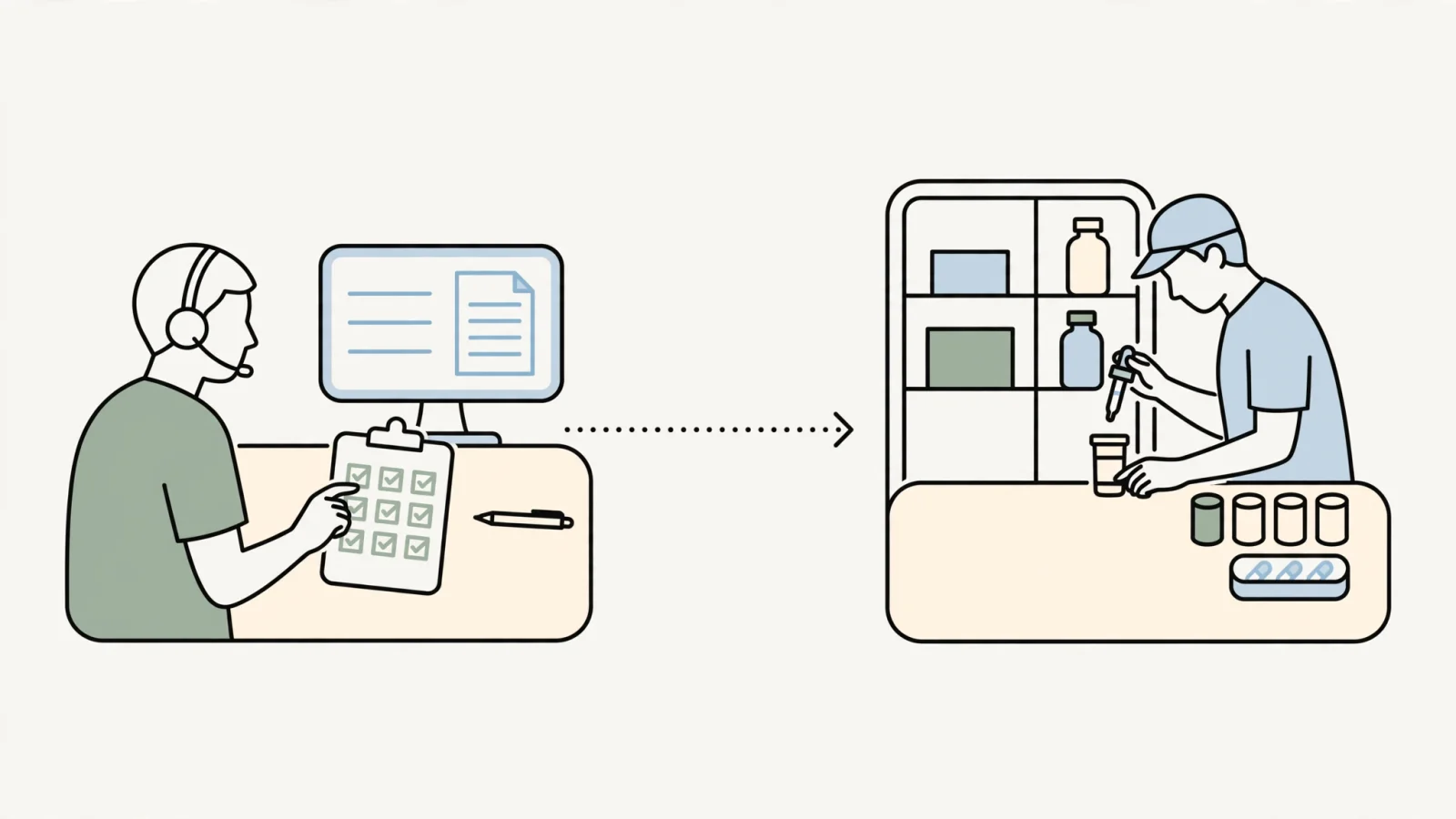
Hospitals and health systems employ off-site pharmacists to manage operational volume and maintain safety standards. Duties frequently include remote medication-order review, data entry, and verifying orders before on-site staff dispense the medication. You may also supervise pharmacy technicians via camera systems or chat software. Depending on the organization, you might support a single large hospital during peak hours or cover order verification for multiple rural facilities simultaneously. Because this work directly supports acute care, it often requires familiarity with specific electronic health record systems and acute-care clinical guidelines.
Managed Care and Pharmacy Benefits
Health plans and pharmacy benefit managers hire pharmacists to evaluate coverage requests and manage drug utilization across large populations. These roles typically involve reviewing prior authorizations against established clinical criteria, conducting retrospective drug utilization reviews, and monitoring medication adherence rates. You might help design benefit structures or participate in quality improvement programs aimed at specific disease states. While much of this work happens independently through asynchronous review, you will frequently communicate with prescribers or clinic staff by phone to clarify clinical details.
Patient-Facing Medication Care
Some remote positions rely heavily on direct interaction with patients. These roles focus on medication therapy management, chronic disease counseling, and targeted education. You might monitor patients starting complex specialty medications, assess adherence barriers, and adjust treatment regimens under collaborative practice agreements. If you enjoy clinical counseling but want to leave the physical pharmacy counter, patient-facing remote roles offer a direct transfer of those communication skills, allowing you to conduct thorough clinical interviews without the constant interruptions common in retail settings.
Professionals looking for broader career transitions might search for positions in pharmacy informatics, medication safety, drug information, or pharmacovigilance. You can explore alternative pharmacist careers beyond retail and inpatient environments, as these fields occasionally offer remote flexibility. However, they represent distinct disciplines requiring specialized knowledge rather than guaranteed work-from-home openings.
Remote Pharmacist Salary Expectations
Evaluating compensation requires clear baseline data and an understanding of the broader market. The U.S. Bureau of Labor Statistics Occupational Outlook Handbook reports a May 2025 median annual wage of $140,910 for pharmacists across all settings. The medians vary by practice environment: pharmacists in drug retailers earn a median of $132,940, those in ambulatory healthcare services reach $153,920, and hospital pharmacists see a median of $157,290.
These figures represent broad occupational benchmarks for the entire profession rather than a specific benchmark for remote roles. No single validated national salary average exists exclusively for remote pharmacists, because the duties, settings, and required experience levels vary across organizations. For example, a prior authorization pharmacist working standard business hours for a health plan will see different compensation structures than a telepharmacist covering overnight hospital shifts.
When comparing job offers, evaluate them on an identical basis by looking at the specific role type, assigned hours, and required clinical experience. It helps to determine whether the pay is calculated on an hourly or salaried basis before factoring in the total compensation package. This includes health benefits, performance bonuses, retirement matching, and the cost of maintaining multiple state licenses if the employer does not cover those ongoing expenses.
State Licensing and Qualification Requirements
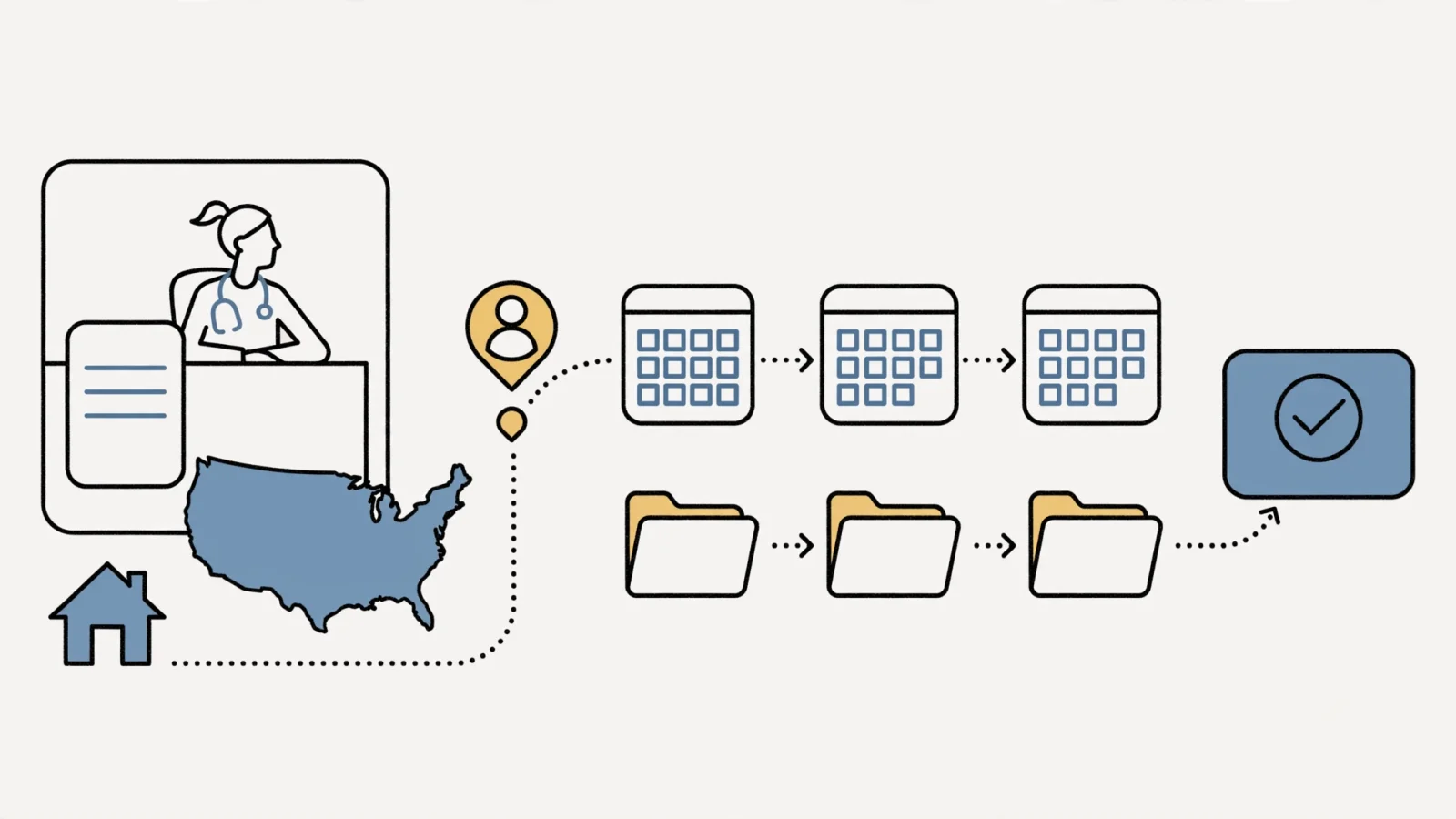
Working from your home office does not exempt you from strict state licensing regulations. All U.S. states require pharmacist licensure, though rules vary by jurisdiction. A single active license rarely allows you to practice nationwide, even for administrative review work.
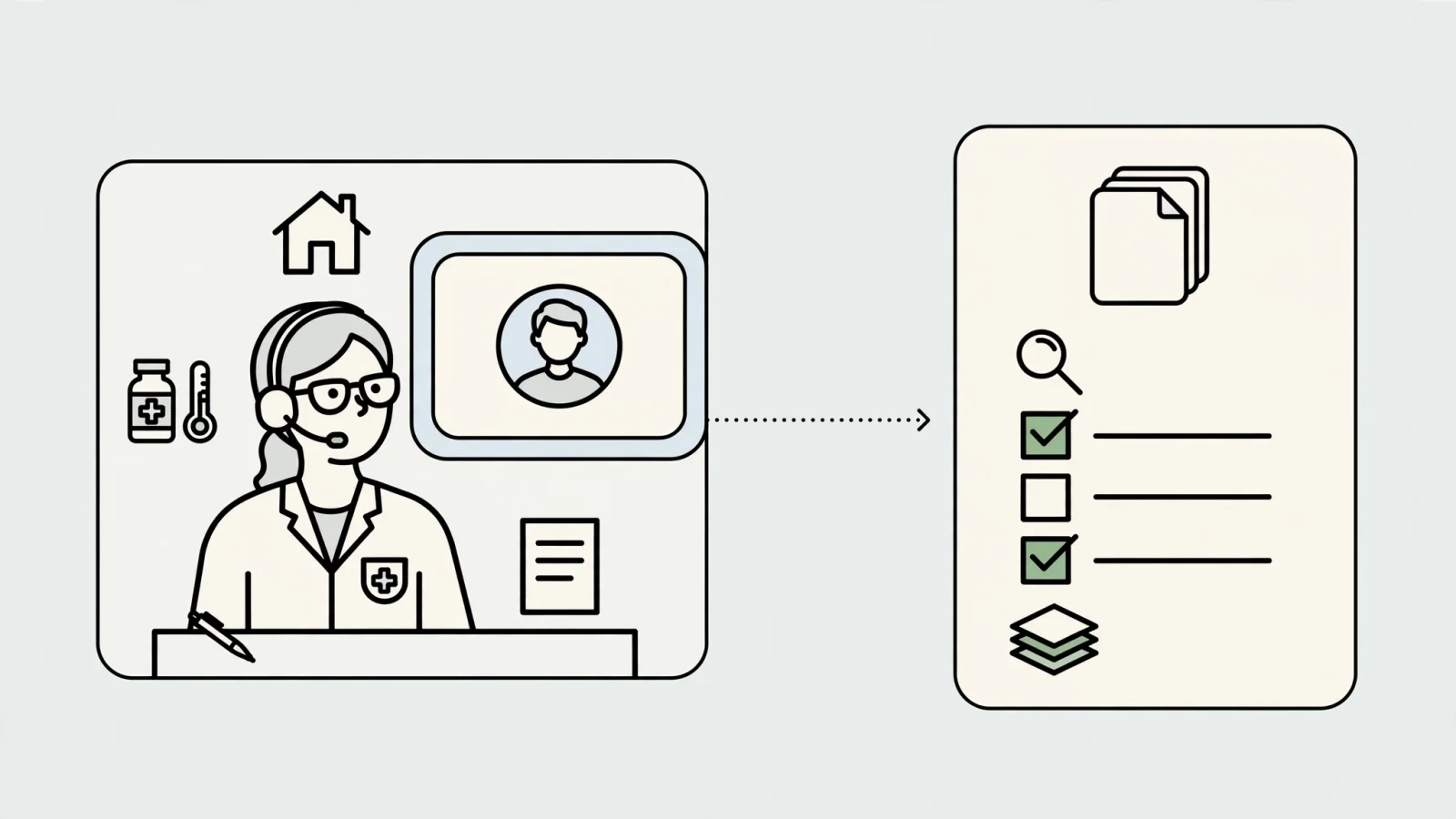
State boards of pharmacy maintain different rules regarding remote practice settings, secure technology requirements, and geographic limits. For clinical services crossing state lines, the ASHP Statement on Telehealth Pharmacy Practice advises pharmacists to understand the regulations in both the state where they sit and the state where the patient receives care. Some jurisdictions mandate that the pharmacist hold an active license in the patient's state, while others require the employer to hold a specific non-resident pharmacy permit that imposes its own operational requirements on the staff.
Confirming licensing expectations during the initial interview process prevents unexpected career hurdles. You can ask the employer which home states they accept for employment, since tax and labor laws restrict where companies can hire. Identifying exactly which individual pharmacist licenses you need before your start date allows you to clarify whether the company pays for new licenses, covers the annual renewal fees, and provides paid time off for fulfilling state-specific continuing education requirements.
Most positions require a Doctor of Pharmacy degree. While some advanced clinical or specialized managed care roles prefer candidates with formal residency or fellowship training, additional postgraduate education is not a universal prerequisite for securing a remote position. Your specific operational experience in retail or hospital settings often matters more than fellowship credentials when applying for roles focused on order verification or standard utilization review.
Managing Nights, Weekends, and Call Coverage
Leaving a physical building does not automatically eliminate difficult scheduling demands, as facilities that operate continuously require continuous clinical coverage. Hospitals running 24 hours a day need pharmacists reviewing orders on nights, weekends, and holidays regardless of where those pharmacists sit. If you accept a remote order-verification role for an acute care health system, your schedule will likely mirror the rotating demands of the on-site staff.
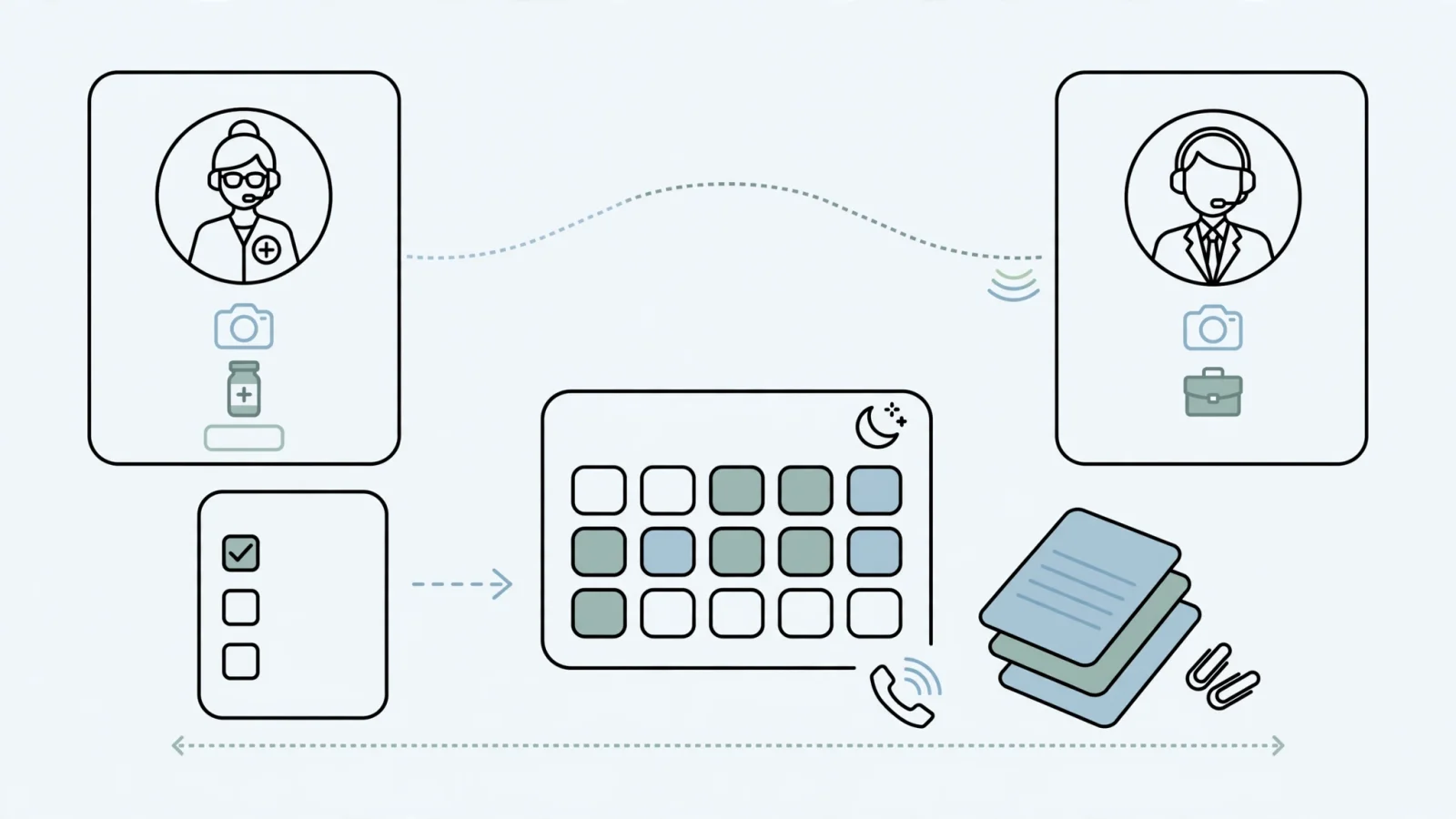
Understanding the actual working hours before you accept an offer ensures the schedule aligns with your lifestyle. It helps to ask about the required time zone for the daily shift, since a standard daytime schedule based in Pacific Time might push your end time into the late evening if you live on the East Coast. Inquiring directly about rotating shifts, mandatory holiday coverage, and on-call expectations provides a clearer picture of the role. Additionally, some positions require occasional travel for onboarding or quarterly department meetings, meaning they operate as hybrid roles rather than fully remote arrangements.
Schedule flexibility only tells part of the story, and weighing the assigned workload against your available hours is equally important. High productivity targets, rigid documentation requirements, and a lack of clinical autonomy create frustration regardless of your physical location. Moving your workstation to your living room will not fix burnout if the underlying job demands remain unreasonable, making it important to assess the daily workflow upfront.
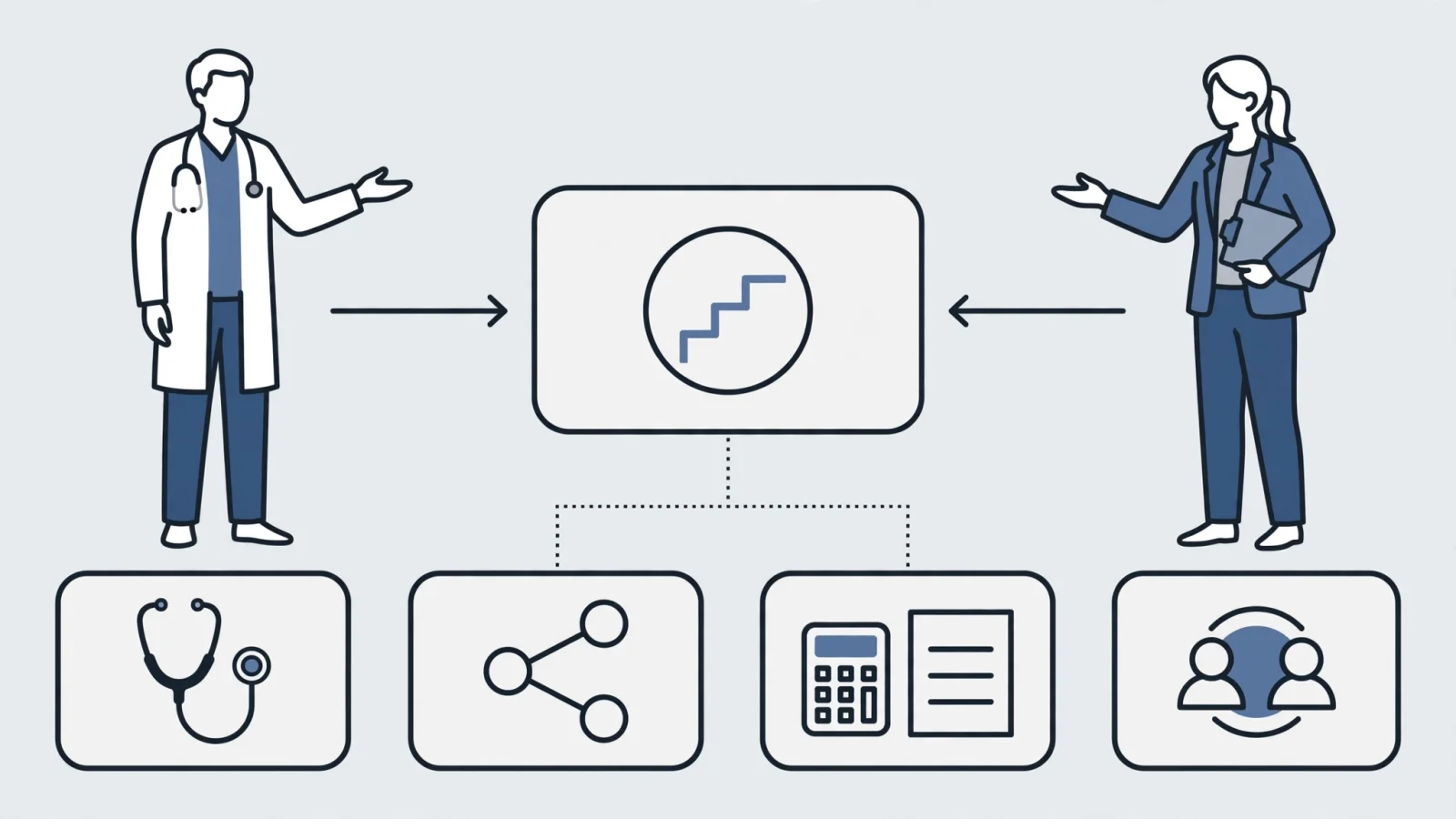
WeekdayDoc helps clinicians evaluate these specific trade-offs by providing a 0-to-10 work-life score for job listings. WeekdayDoc's 2026 work-life score gives you a listing-level comparison based on factors like call coverage, night shifts, weekend requirements, schedule flexibility, autonomy, and administrative burden. This score allows you to see the operational reality of a role before you submit an application, helping you avoid positions that merely export hospital stress to your home.
Finding and Evaluating a Remote Role
Landing a suitable position requires matching your current clinical skills to the specific duties of the open role, as employers want candidates who can handle complex work with minimal direct supervision. Connecting your prior experience with medication review, patient counseling, clinical documentation, and quality assurance processes to the requirements listed in the job description strengthens your application. You can also highlight your ability to communicate effectively with patients, prescribers, and internal pharmacy teams using digital tools.
Once you identify a promising role, review the listing and offer details to understand the working arrangement. Check the location and travel requirements, including whether the role remains fully remote after the initial training period ends. You can also ask whether your home state is eligible for employment and whether the company provides necessary hardware, such as secure laptops, multiple monitors, and required VPN access.
The daily workload and performance metrics shape what your shifts will look like. Your day might consist of outbound patient calls, fast-paced inpatient order review, or processing long queues of prior authorization cases. Ask the hiring manager about daily volume expectations, productivity measures, and quality targets to understand how the department measures success and what documentation software it mandates.
Remote work can feel isolating when complex clinical issues arise, so use the interview to clarify which decisions you can make independently and where to escalate severe safety concerns or questionable prescriptions. Ask how the department handles coverage during system downtime, shift changes, or sudden spikes in volume.
Before accepting an offer, review the compensation and contract terms. Check the pay basis, whether the employer guarantees a minimum number of weekly hours, and whether shift differentials apply to nights or weekends. At the offer stage, read the contract language carefully to spot professional liability provisions, restrictive covenants, bonus repayment clauses, and specific termination terms.
You can search remote pharmacist jobs on WeekdayDoc to find roles filtered by work type, specialty, and location. The platform allows you to compare disclosed pay and schedule details directly to identify positions that match your career goals. WeekdayDoc also provides an AI contract scanner that flags potential issues in uploaded text or PDF documents, giving you specific areas to review closely before signing.
Remote Pharmacist FAQs
Are remote pharmacist jobs the same as telepharmacy?
These are related but distinct concepts. Telepharmacy refers specifically to pharmacy operations or patient care delivered through telecommunications technology, while other remote roles might focus entirely on managed care review, pharmacy benefits design, or administrative tasks that never involve traditional patient care.
Can pharmacists work remotely from any state?
Geographic flexibility is not automatic, because state boards of pharmacy enforce different rules regarding licensing, non-resident permits, and remote work settings. Employers also restrict hiring based on state tax and labor laws. Verifying that a company hires in your state and determining which specific state licenses the role requires before investing time in an application saves you from pursuing incompatible opportunities.
What should candidates know about pay, hours, and burnout?
Compensation varies by role type, setting, and required hours. While broad industry medians provide helpful context, they do not dictate the salary for a specific remote position. Working from home does not guarantee a standard Monday-through-Friday schedule or a lower level of burnout, as health systems operating continuously still require remote clinical pharmacists to cover nights, weekends, and holidays. Evaluating every opportunity based on its actual workload, call expectations, and administrative burden provides a much more accurate picture than assuming the location alone solves those problems.
Finding a sustainable career path requires transparency about hours, compensation, and daily expectations. WeekdayDoc provides the market context and schedule data you need to evaluate opportunities fairly. Browse listings with visible work-life scores, compare salary percentiles, and use targeted alerts to find roles that respect your time. Visit WeekdayDoc.com to search current openings, utilize negotiation scripts, and secure a position that fits your life.